
Dark Circles Under Eyes: Causes, Types, and How to Remove Them

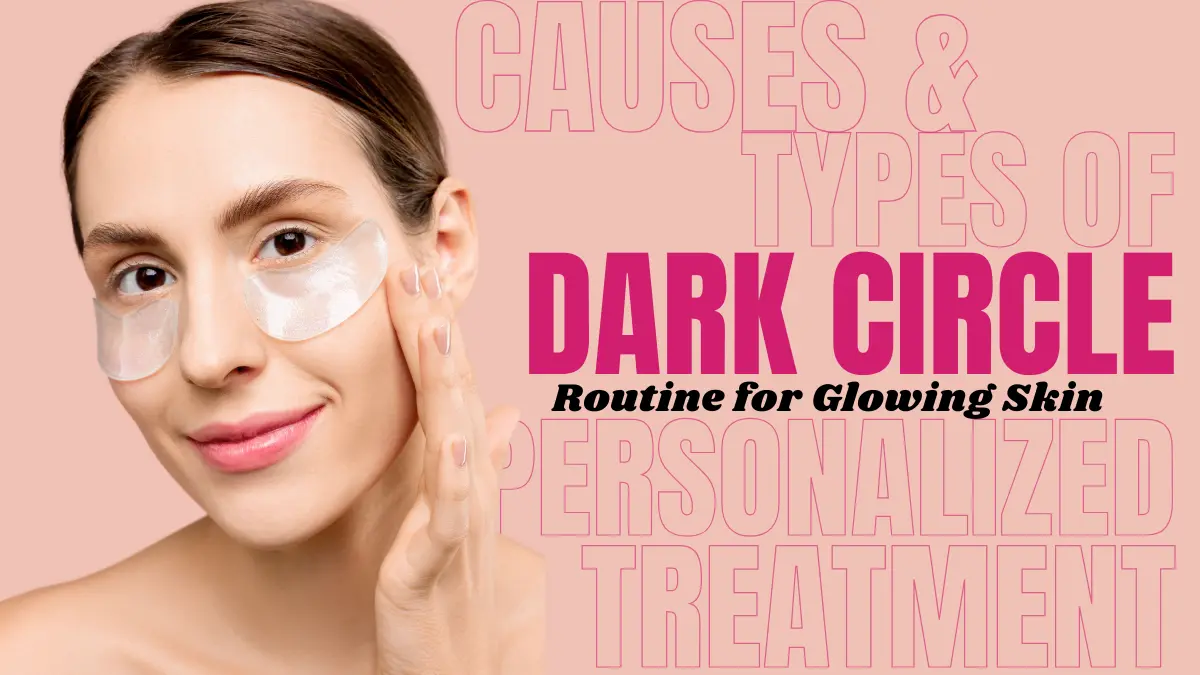
Dark circles under the eyes are darkening of the skin below both lower eyelids. There are 4 types: pigmented, vascular, structural, and mixed. The 9 main causes are aging, genetics, sleep deprivation, allergies, sun exposure, dehydration, eye strain, anemia, and lifestyle factors. Treatment ranges from cold compresses and eye creams to laser therapy, dermal fillers, and blepharoplasty.
This article covers all 4 types of dark circles, their 9 causes, the 4 deficiencies that worsen them, and the most effective home and medical treatments available.
What Are Dark Circles Under Eyes?
Dark circles under the eyes are bilateral darkening in the infraorbital region. The color ranges from blue-purple to brown or black. The medical term is periorbital hyperpigmentation (POH). Dermatologists also call it infraorbital darkening or periorbital melanosis.
Dark circles affect people of all ages, genders, and skin types. They are more common in 3 groups:
- Elderly people
- People with darker skin tones
- People with a family history of dark circles
Dark circles are a cosmetic concern in most cases, not a medical emergency.
4 Types of Dark Circles Under Eyes
There are 4 types of dark circles. Each type has a different cause and responds to different treatments.
- Pigmented dark circles: Caused by melanin deposits in the under-eye skin. Genetics and UV exposure trigger them most often. They appear brown or black.
- Vascular dark circles: Caused by visible blood vessels or poor circulation beneath thin skin. They appear blue, purple, or red.
- Structural dark circles: Caused by fat and collagen loss in the periorbital area. This creates tear trough hollows that cast shadows under the eyes.
- Mixed dark circles: A combination of 2 or more of the types above. This is the most common presentation in adults.
How to Identify Your Dark Circle Type (The Pinch Test)
Pinch the skin under the eye lightly and lift it away from the face.
- Color stays dark after pinching: The cause is excess melanin — pigmented type.
- Color disappears after pinching: The cause is thin skin or poor circulation — vascular type.
- Color disappears when you tilt your head back: The cause is structural shadowing from tear trough hollows.
What Causes Dark Circles Under Eyes?
There are 9 main causes of dark circles under the eyes. They are:
- Aging
- Genetics
- Sleep deprivation
- Allergies
- Sun exposure
- Dehydration
- Eye strain
- Iron deficiency anemia
- Lifestyle factors
1. Aging
Aging is the most common cause of dark circles. The skin under the eyes thins and loses collagen over time. Blood vessels become more visible as the skin thins. The tear trough deepens due to infraorbital fat loss and skin sagging. Shadows from these hollows darken the under-eye area further.
2. Genetics
Genetics determine predisposition to periorbital hyperpigmentation. A 2014 study found a family history association in 63% of POH patients. Darker skin tones carry more melanin, which increases pigmentation risk under the eyes. Dark circles inherited in childhood may lighten or darken with age.
3. Sleep Deprivation
Sleep deprivation causes blood vessels under the eyes to dilate. Deoxygenated blood pools in the under-eye area. The thin periorbital skin makes these vessels visible as a blue or purple tint. Fluid retention from poor circulation also creates puffiness and shadows.
4. Allergies
Allergies cause the body to release histamine. Histamine dilates blood vessels and triggers inflammation. Rubbing itchy eyes from allergic reactions causes post-inflammatory pigmentation. Conditions that trigger allergy-related dark circles include atopic dermatitis, contact dermatitis, and hay fever.
5. Sun Exposure
Sun exposure stimulates excess melanin production under the eyes. The body deposits this melanin in the infraorbital skin. This leads to post-inflammatory pigmentation and darkening. Sunscreen and sunglasses prevent UV-triggered melanin deposits.
6. Dehydration
Dehydration makes the under-eye skin appear dull and sunken. The eye area sits close to the underlying orbital bone. Poor hydration reduces skin volume and elasticity. This creates shadows and a hollowed appearance under the eyes.
7. Eye Strain
Eye strain from prolonged screen use enlarges blood vessels around the eye area. This vascular dilation contributes to under-eye darkening. Taking regular breaks from screens reduces blood vessel enlargement.
8. Iron Deficiency Anemia
Iron deficiency anemia reduces oxygen delivery to under-eye tissue. Poor oxygenation makes skin look pale and veins more visible. A 2014 study found that 50% of POH patients had anemia. Many of those patients reported that their dark circles faded after anemia treatment.
9. Lifestyle Factors
Smoking, alcohol use, and stress worsen dark circles by damaging skin and circulation. Smoking accelerates skin aging and reduces collagen production. Alcohol causes dehydration and poor circulation. Stress disrupts sleep and hormone balance, both of which affect skin health.
Can Hashimoto’s Cause Dark Circles Under Eyes?
Yes, Hashimoto’s thyroiditis causes dark circles through periorbital edema from thyroid-related fluid retention. This puffiness creates shadows that appear as dark circles. Treating the underlying thyroid condition reduces this type of dark circle.
Which Organ Is Related to Dark Circles Under Eyes?
Systemically, the liver is the organ most closely associated with chronic periorbital darkening; a 2014 study identified underlying hepatic disorders in 7.7% of dark circle patients. The kidneys also play a secondary role via fluid retention.
Clinical Warning: Unilateral darkening is a separate issue entirely. If a dark shadow or deep discoloration appears suddenly under only one eye, do not treat it as a skincare issue—seek immediate ophthalmological evaluation to rule out localized vascular blockages or orbital sinus trauma.
What Deficiency Causes Dark Circles Under Eyes?
There are 4 nutritional deficiencies that cause dark circles. They are iron deficiency, vitamin K deficiency, vitamin C deficiency, and vitamin B12 deficiency.
- Iron deficiency: Low iron reduces red blood cell count. Under-eye skin appears pale and veins show through more prominently.
- Vitamin K deficiency: Vitamin K strengthens blood vessels and reduces bruising under the eyes. Low levels allow blood to pool visibly below the skin.
- Vitamin C deficiency: Vitamin C builds collagen. Low levels thin the under-eye skin and make blood vessels more visible.
- Vitamin B12 deficiency: Low B12 increases melanin production. Higher melanin levels deepen under-eye pigmentation.
What Vitamin Gets Rid of Dark Circles?
Vitamins C, K, and B12 reduce dark circles when applied topically or supplemented daily. Vitamin C brightens pigmentation and rebuilds collagen. Vitamin K reduces blood pooling in the under-eye area. B12 supplementation normalizes red blood cell production and reduces skin darkening.
Does Vitamin B12 Remove Dark Circles?
Vitamin B12 reduces dark circles caused specifically by B12 deficiency. Low B12 triggers excess melanin production, which deepens under-eye pigmentation. Supplementing B12 normalizes melanin levels over time. Results appear in 4–12 weeks of consistent daily supplementation.
How to Remove Dark Circles Under Eyes
There are 3 categories of dark circle treatment. They are home remedies, skincare products, and medical procedures.
Home Remedies for Dark Circles Under Eyes
There are 6 evidence-supported home remedies for dark circles.
- Apply cold compresses: Press cold spoons or a cloth-wrapped ice pack under the eyes for 10–20 minutes. Cold constricts blood vessels and reduces puffiness immediately.
- Elevate your head while sleeping: Use an extra pillow to prevent fluid from pooling under the eyes overnight. This reduces morning puffiness and shadows.
- Get 7–9 hours of sleep: Adequate sleep restores circulation and prevents the blood vessel dilation that causes dark circles.
- Use cold tea bags: Place chilled black or green tea bags under the eyes for 10–20 minutes. Caffeine constricts blood vessels. Antioxidants improve circulation.
- Hydrate consistently: Drink enough water daily to maintain skin volume, elasticity, and color under the eyes.
- Manage allergies: Take antihistamines to reduce histamine-driven blood vessel dilation and eye rubbing that leads to pigmentation.
Skincare Products for Dark Circles: Eye Creams and Serums
Eye creams with retinol, vitamin C, hyaluronic acid, caffeine, niacinamide, or kojic acid reduce dark circles by targeting specific underlying causes. Each ingredient works differently:
- Retinol: Builds collagen and thickens thinning under-eye skin.
- Vitamin C: Brightens pigmentation and stimulates collagen production.
- Hyaluronic acid: Plumps and hydrates skin to reduce the sunken appearance.
- Caffeine: Constricts blood vessels to reduce puffiness and blue-purple tinting.
- Niacinamide: Reduces melanin transfer to lighten pigmented dark circles.
- Tyrosinase Inhibitors (Kojic Acid & Alpha Arbutin): These slow down tyrosinase, the master enzyme required to synthesize melanin.
Note: While pure Hydroquinone is the clinical gold standard for this, it is now strictly prescription-only in the U.S. due to risks of permanent blue-black skin darkening known as ochronosis; look for 2% Alpha Arbutin as the safe, legal over-the-counter alternative.
Apply eye cream at night and again in the morning before makeup. Eye cream helps concealer apply more smoothly and prevents cakey results.
Sun Protection Under Eyes
Apply SPF 30+ mineral sunscreen under the eyes every morning. UV exposure directly causes pigmented dark circles. Sunscreen prevents further melanin deposits. Wear sunglasses to protect the periorbital skin outdoors.
Camouflage With Makeup
Use color-correcting concealers to neutralize dark circles before foundation. Peach or orange-toned concealers neutralize blue and purple under-eye tones. Apply concealer that matches your skin tone, focusing on inner corners and the under-eye hollow. Set with translucent powder to prevent creasing.
Medical Treatments for Dark Circles Under Eyes
There are 6 medical treatments for dark circles. They are chemical peels, laser therapy, IPL, dermal fillers, PRP injections, and blepharoplasty.
- Chemical peels: Alpha-hydroxy acids reduce surface pigmentation and improve skin texture. Best for pigmented dark circles.
- Laser therapy: Pulsed dye and diode lasers resurface skin and stimulate collagen. Noninvasive options include pulsed dye and diode lasers. Results appear over 4–6 weeks as the skin remodels.
- Intense Pulsed Light (IPL): Targets melanin deposits and stimulates collagen production. Reduces both pigmented and vascular dark circles.
- Dermal fillers: Hyaluronic acid injections restore volume to tear trough hollows. Best for structural dark circles caused by fat loss. Results last 1–2 years.
- PRP injections: Platelet-rich plasma repairs under-eye tissue, strengthens collagen, and improves blood vessel integrity under the eyes.
- Blepharoplasty: Surgical removal of excess fat and skin around the eye area. Best for severe structural dark circles with significant hollowing and skin sagging.
Dark Circle Laser Treatment
Laser treatment targets melanin and stimulates collagen in 1–3 sessions. Noninvasive pulsed dye and diode lasers are the most common choices. Sessions take 15–30 minutes. Results appear progressively over 4–6 weeks.
Lymphatic Drainage Massage for Dark Circles
Lymphatic drainage massage reduces fluid buildup and puffiness in the periorbital area. Light circular strokes outward from the inner corner of the eye drain accumulated fluid. Apply gentle pressure only — the under-eye skin is delicate. Results are temporary but improve with consistent daily practice.
What Do Koreans Do for Dark Circles?
Koreans treat dark circles with 4 primary methods: niacinamide serums, caffeine eye creams, brightening sheet masks, and daily SPF 50+. The K-beauty approach prioritizes daily prevention over single-step treatment.
The 4 K-beauty methods for dark circles are:
- Niacinamide serum: Apply twice daily to reduce melanin transfer and brighten the under-eye area. Results appear in 4–8 weeks.
- Exosome & PDRN Complexes: Rather than relying on single-molecule topicals like plain niacinamide, the advanced K-beauty clinical protocol pairs Salmon DNA (PDRN) with mesenchymal exosomes (such as the Revicia PDRN Exo Shot). Applied twice daily, the exosomes act as delivery envelopes to force the PDRN into the dermis, simultaneously rebuilding the thinning structural floor while down-regulating the melanin transfer that causes the dark tint.
- Caffeine eye cream: Apply morning and evening to constrict blood vessels and reduce morning puffiness and shadows.
- Brightening sheet masks: Use 2–3 times per week with vitamin C or rice extract to lighten discoloration progressively.
- SPF 50+: Apply under the eyes every morning without exception to prevent UV-triggered melanin deposits.
Dark Circles in Special Populations
Dark Circles Under Eyes in Men
Men develop dark circles from the same 9 causes as women. Thicker facial skin in men masks vascular dark circles slightly more. Stress, alcohol use, and sleep deprivation are the most common triggers in men. Eye creams with caffeine and retinol are the most effective daily treatment for men.
Dark Circles in Kids and Toddlers
Dark circles in children result from 5 causes: genetics, allergies, fatigue, dehydration, and illness such as a cold, flu, or ear infection. Children have thin, translucent skin that makes blood vessels more visible than in adults. Allergies are the most common cause of dark circles in kids. Take children to a pediatrician, if dark circles appear under only one eye or worsen rapidly.
Dark Circles During Pregnancy
Hormonal changes during pregnancy increase melanin production and worsen under-eye dark circles. Fluid retention and disrupted sleep from pregnancy also contribute. Use gentle skincare ingredients such as vitamin C and hyaluronic acid. Consult a dermatologist before using any topical lightening agent during pregnancy.
When to See a Doctor About Dark Circles
See a dermatologist, if dark circles appear suddenly under only one eye. Other signs requiring medical evaluation include:
- Swelling that gets progressively worse
- Pain or rashes around the eye area
- Dark circles in a child that worsen rapidly
- Discoloration accompanied by vision changes
Conditions linked to one-sided dark circles include atopic dermatitis, contact dermatitis, and vascular disorders. A dermatologist will use a Wood’s lamp exam, slit lamp test, or blood work to identify the cause.
Frequently Asked Question
What is the main cause of dark circles under eyes?
Aging is the main cause of dark circles under eyes. The skin thins and loses collagen over time, making blood vessels visible. Genetics, sleep deprivation, and allergies are the 3 other leading causes.
Which deficiency causes dark circles under eyes?
Iron deficiency is the most common nutritional cause of dark circles. Low iron reduces red blood cell count, making skin pale and veins more visible. Vitamin K, C, and B12 deficiencies also cause or worsen dark circles.
How do I remove dark circles under eyes permanently?
No single treatment permanently eliminates all dark circle types. Dermal fillers treat structural hollowing for 1–2 years. Laser therapy reduces pigmentation for months to years. Blepharoplasty gives the longest-lasting results for severe structural cases.
Do dark circles under eyes mean liver problems?
Dark circles under both eyes are not a reliable sign of liver disease. One study linked liver disorders to 7.7% of dark circle cases. Liver-related discoloration is typically accompanied by yellowing of the skin or eyes.
What vitamin gets rid of dark circles fastest?
Vitamin C reduces dark circles fastest when applied topically as an eye serum, within 4–8 weeks of daily use. Vitamin K reduces blood pooling under the eyes. Iron supplements resolve anemia-related dark circles within 3 months of consistent use.
Can you permanently remove dark circles in 5 minutes?
No. You can temporarily hide vascular dark circles in 5 minutes using cold vasoconstriction (such as chilled spoons or ice), which forces pooled blue blood out of the under-eye tissue. However, this is strictly a cosmetic evacuation; once the skin returns to normal body temperature (usually 1 to 3 hours), the vessels re-dilate and the shadow returns.
The Bottom Line:
You cannot treat a structural shadow with a topical skin brightener, and you cannot fix a vascular pooling issue with a bleaching cream. Do the Pinch Test first, identify your target, and spend your budget on the specific tier of chemistry or clinical intervention designed for your anatomy.
Peer-Reviewed & Clinical Sources:
- Goldman, M. “Understanding and Treating Dark Circles: A Comprehensive Guide.” Journal of Dermatology and Dermatologic Diseases, Vol. 10:01, 2023. DOI: 10.37421/2684-4281.2023.10.388
- Aghaei, S. “An Approach to Dark Circles Under the Eyes.” Journal of Surgical Dermatology, 1(2): 55–56, 2016. DOI: 10.18282/jsd.v1.i2.67
- Freitag, F.M. & Cestari, T. “Dark Circles.” International Academy of Cosmetic Dermatology (IACD). Porto Alegre, Brazil.
Key Studies Referenced Within Sources
- Sheth, P.B. et al. “Periorbital Hyperpigmentation: A Study of Its Prevalence, Common Causative Factors.” Indian J Dermatol, 2014 — (63% family history finding; 50% anemia finding)
- Park, S.R. et al. “Classification by Causes of Dark Circles.” Skin Res Technol, 22: 276–283, 2016
- Fatin, A.M. et al. “Classification and Characteristics of Periorbital Hyperpigmentation.” Skin Res Technol, 26: 564–570, 2020