








Korean Dermal Fillers — Wholesale Collection from South Korea
South Korea’s medical aesthetics industry has quietly become one of the most technically demanding in the world. That reputation didn’t come from marketing. It came from a combination of strict KFDA manufacturing standards, sustained clinical research, and a domestic aesthetic market that expects precision results at scale. Korean dermal fillers are now used in clinics across Europe, Southeast Asia, and North America — not because they are cheap alternatives, but because the formulation science has genuinely caught up with — and in several areas, moved past — older Western brands.
At KBeautyPharm, every filler in this collection ships directly from the South Korean manufacturer. No repackaging, no third-party handling. Minimum order is $500, with free shipping on orders over $800.
What Are Korean Dermal Fillers?
Korean dermal fillers are sterile, injectable medical devices used for soft tissue augmentation, wrinkle correction, and structural facial contouring. Most are built on hyaluronic acid (HA) — a polysaccharide that occurs naturally in connective tissue and skin — though our collection also includes a calcium hydroxylapatite (CaHA) biostimulator.
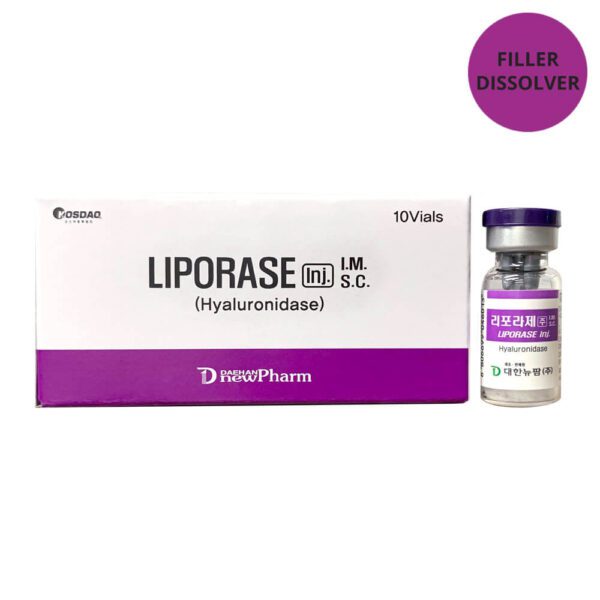
HA-based fillers work by occupying volume within the dermis or subcutaneous layer, where they attract and retain water molecules. This produces immediate lifting and hydration. Because HA is reversible using hyaluronidase, practitioners retain clinical control — a property that matters quite a lot when working near anatomically sensitive areas.
What separates Korean HA fillers from earlier-generation products is largely a manufacturing question. Cross-linking efficiency, endotoxin reduction, and residual BDDE (the cross-linking agent) levels have all improved substantially through proprietary processes like SHAPE™ (Medytox), UPHEC (Newmedic), ZEEP (JETEMA), and PNET (Elasty). These aren’t just branding terms — they translate to measurable differences in gel stability, post-injection swelling, and longevity.
How Korean HA Fillers Are Actually Formulated
Cross-linking is the step that converts free-chain hyaluronic acid into a gel capable of maintaining volume in living tissue. BDDE (1,4-butanediol diglycidyl ether) is the most common cross-linking agent used. Left in excess, residual BDDE can provoke delayed inflammatory responses. The goal, then, is a gel with high cross-linking density and minimal residual agent — and that balance is where Korean manufacturers have invested heavily.
A few things worth understanding:
- Monophasic gels (like Revolax, Dermalax, and the Regenovue line) are produced as a single, uniform gel phase. They tend to distribute more smoothly and carry lower lump risk.
- Endotoxin levels below 1.25 EU/mL are considered safe; several products in this collection, including Starfill (ZEEP technology) and Rejeunesse (UPHEC process), test below 0.1 EU/mL — a meaningful safety margin.
- HA concentration typically ranges from 20 to 24 mg/mL across our range, with higher concentrations generally producing denser gels suited to deeper injection planes.
- Lidocaine inclusion (0.3% in most formulations) reduces procedural discomfort without requiring a separate numbing step, which can improve the patient experience in a busy clinical setting.
None of this replaces proper injection technique. But it does mean that when a practitioner selects the right product for the right plane, the gel is less likely to behave unpredictably.
How Long Do Korean Fillers Last?
Duration depends on three things: where in the face the filler is placed, how deep the injection goes, and the individual patient’s metabolic rate. General expectations across this collection run as follows:
- Superficial (fine line) fillers — Revolax Fine, Rejeunesse Fine, Regenovue Fine Plus, Elasty F Plus: 6–10 months
- Mid-depth fillers — Neuramis Lidocaine, Neuramis Deep, Dermalax Plus: 6–10 months
- Volumizing / deep fillers — Revolax Deep and Sub-Q, Neuramis Volume, Dermalax Deep Plus, Rejeunesse Deep and Shape, Regenovue Deep Plus and Sub-Q Plus, Elasty D/G Plus: 6–12 months
- Heavy structural fillers — Dermalax Implant Plus, Starfill Implant Plus: up to 6–12 months
- Volassom (CaHA) — operates differently as a biostimulator; the carrier gel provides immediate volume, while the CaHA microspheres stimulate collagen over time: approximately 20 months
These are clinical estimates. Results vary.
Our Korean Dermal Filler Collection
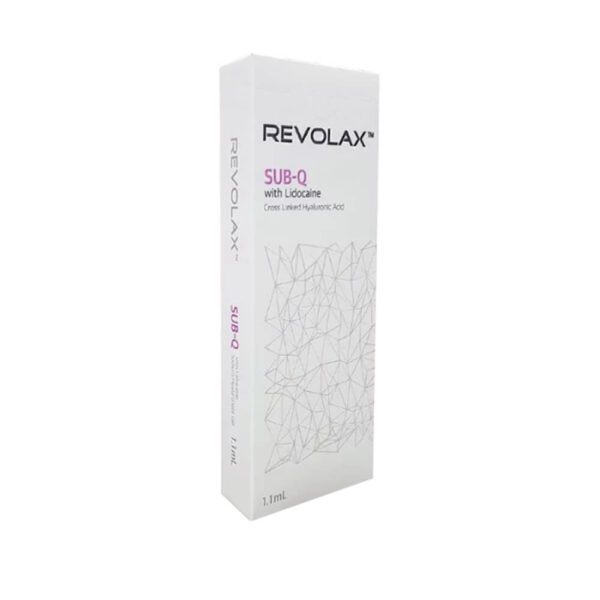
Revolax — Fine, Deep, Sub-Q (Across Co., Ltd.)
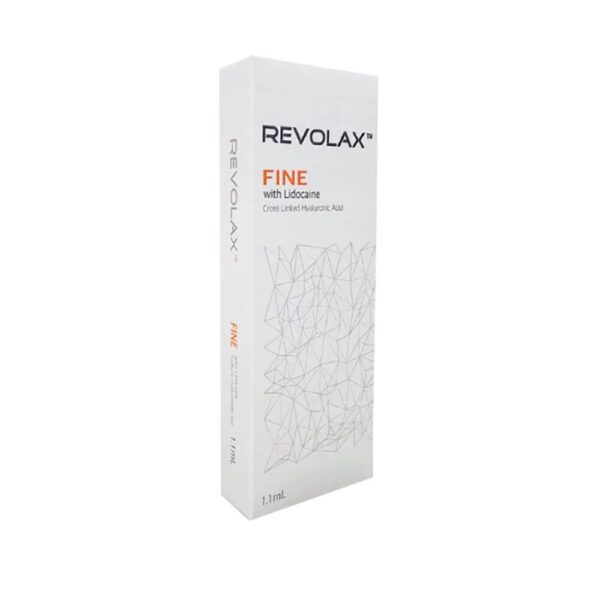
Revolax is one of the more widely recognized Korean HA filler lines internationally. Manufactured by Across Co., Ltd. in South Korea, the range spans three viscosities and covers practically the full spectrum of facial injection depths.
Revolax Fine contains 24 mg/mL of non-animal-derived HA with 0.3% lidocaine. It is the thinnest formulation in the range — designed for the superficial dermis, where precision matters and even minor lumpiness would be visible. Results typically hold for 6–10 months, supplied with 30G ultra-fine needles.
Revolax Deep steps up in density, using 24 mg/mL HA in a cohesive monophasic structure suited to moderate-to-deep facial wrinkles, nasolabial folds, and lip augmentation. Duration is approximately 6-12 months; supplied with 27G needles.
Revolax Sub-Q carries the heaviest viscosity in the range. The high-density gel is intended for subcutaneous implantation — nose tip refinement, chin projection, cheek augmentation, and jawline definition. Duration ranges from 6 to 12 months. Because the gel sits in a deeper anatomical plane, it relies on strong cross-linking for positional stability. Supplied with 25G needles.
All Revolax products hold KFDA approval
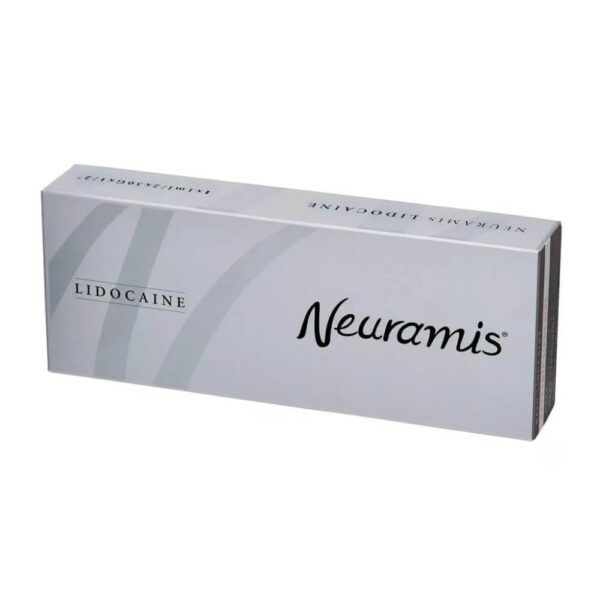
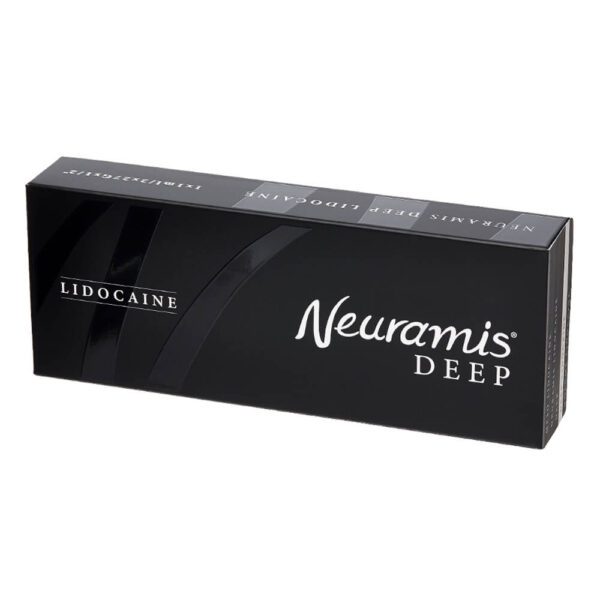
Neuramis — Lidocaine, Deep, Volume (Medytox)
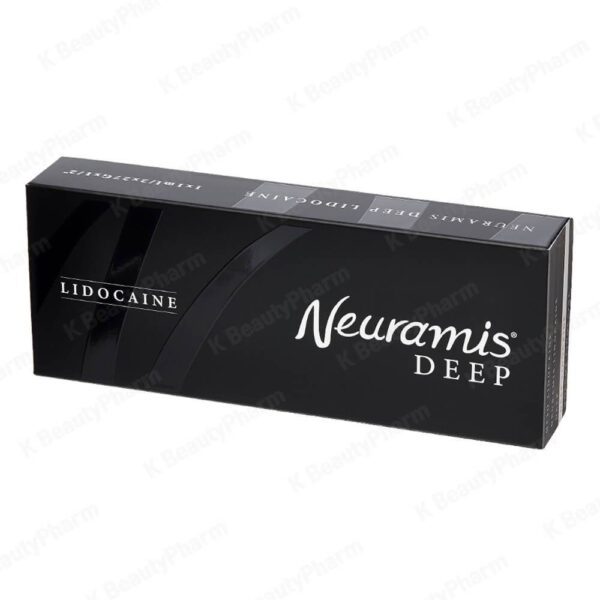
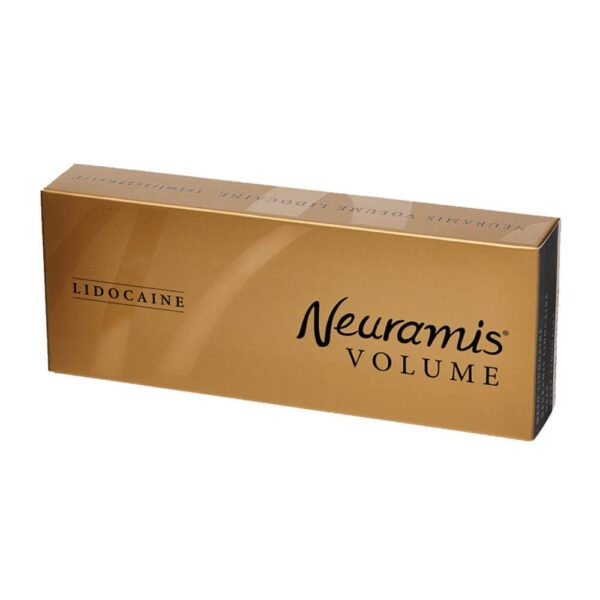
Medytox’s Neuramis line is built on SHAPE™ technology — a two-step cross-linking process combined with extended dialysis purification. The result is an HA gel with high cross-linking efficiency and very low residual BDDE. All variants contain 20 mg/mL HA and 0.3% lidocaine.
Neuramis Lidocaine targets medium-to-superficial wrinkles and general skin hydration. Clinical duration is around 6 months, which may suit patients who prefer shorter cycles for fine line maintenance.
Neuramis Deep — the most prescribed variant in this range — addresses deeper static wrinkles, moderate nasolabial folds, and lip volume. Its smooth integration profile makes it a reliable choice for lip work where natural movement post-treatment matters.
Neuramis Volume carries the highest cross-linking density in the Neuramis family. It is designed for volumization procedures — cheek augmentation, chin definition, deep fold correction — and typically persists for 12 months. The gel’s cohesivity helps it maintain structural position over time rather than spreading laterally.
Dermalax — Plus, Deep Plus, Implant Plus (Across / Hugel Pharma)
The Dermalax range from Hugel Pharma Group (through Across Co., Ltd.) uses a monophasic gel architecture that provides even distribution during injection — a property clinically relevant for lip shaping and cheek augmentation where uneven product spread creates visible irregularity.
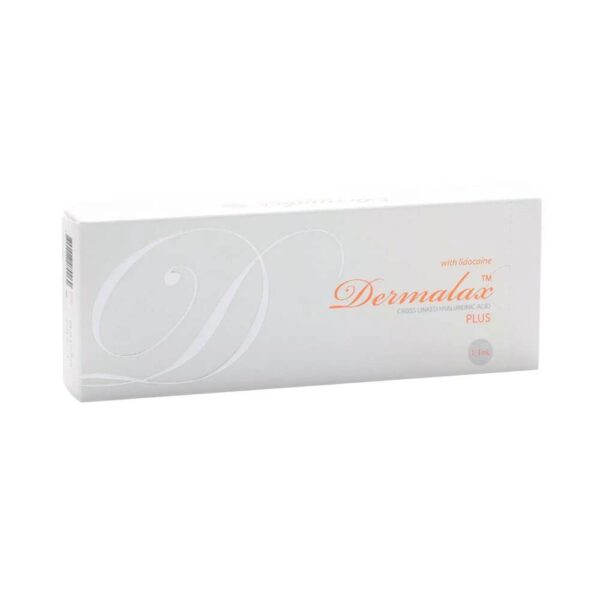
Dermalax Plus contains 20 mg/mL HA with lidocaine and is positioned for light-to-moderate facial lines and general skin rejuvenation. Soft viscosity, 30G needles, 12-month duration.
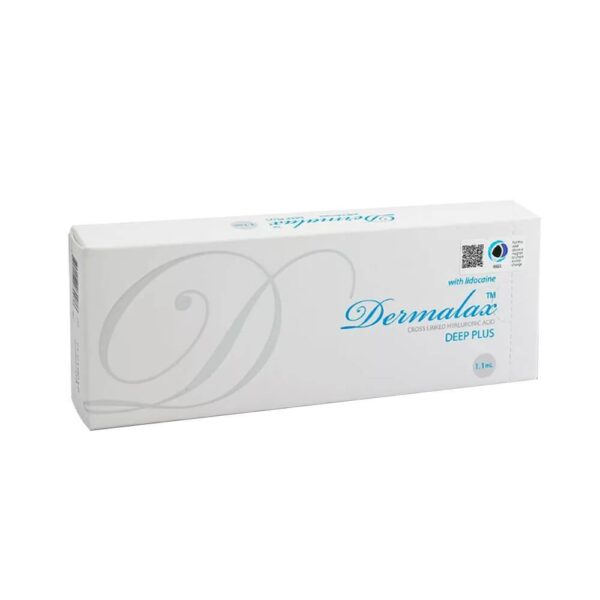
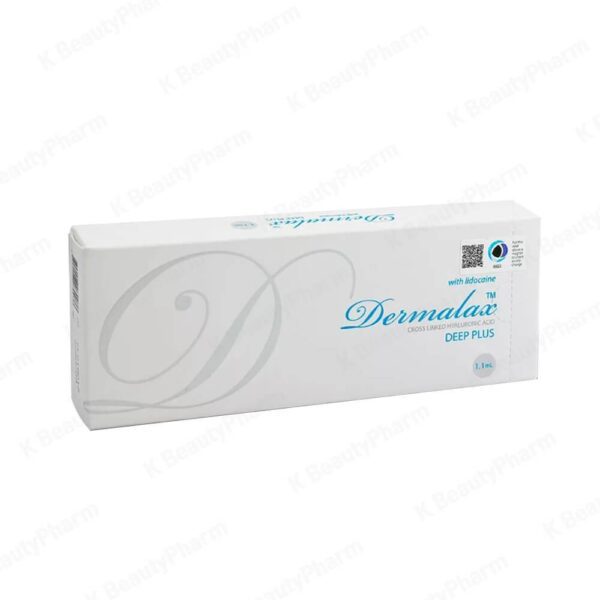
Dermalax Deep Plus contains 24 mg/mL HA and is certified KFDA and CE (Notified Body #1023). With the BDDE cross-linking completed at low temperature and no detectable residual agent in the finished product, it sits mid-range in the lineup — capable of lip augmentation and moderate-to-deep fold correction. Duration is 6–12+ months depending on indication.
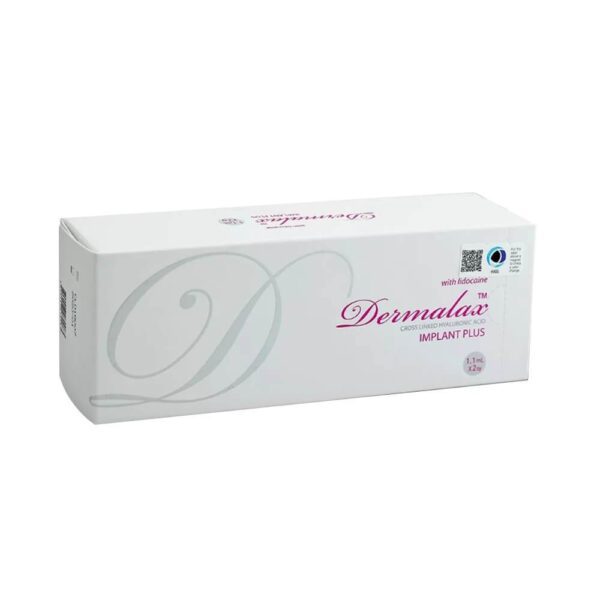
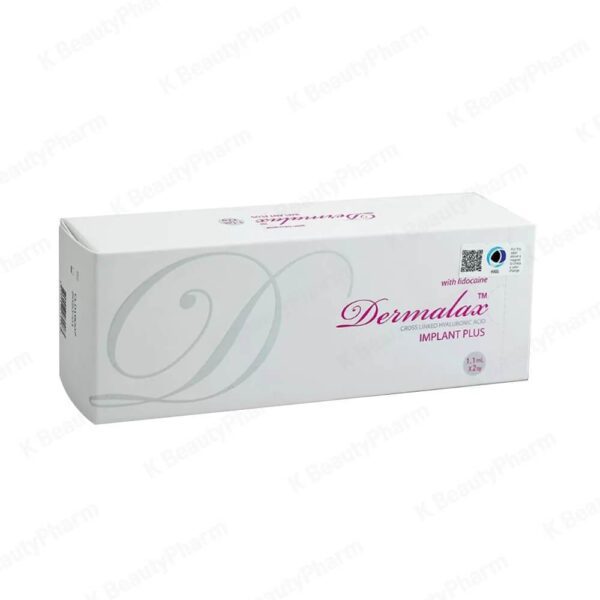
Dermalax Implant Plus is the high-density structural filler in the range. At 24 mg/mL in a thick, cohesive monophasic gel, it is intended for deep dermis and subcutaneous placement — cheek volumization, chin and jawline contouring, deep fold correction. Each pack includes two 1.1 mL pre-filled syringes with 25G needles. Duration is 6–12 months. The HA is non-animal sourced and fully biodegradable.
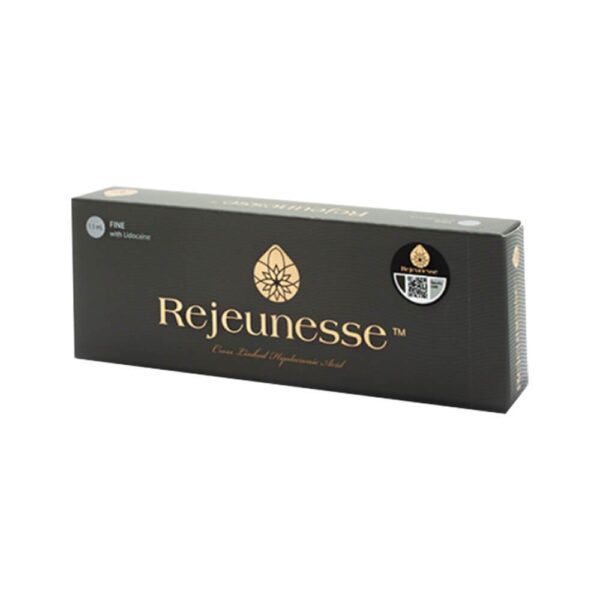
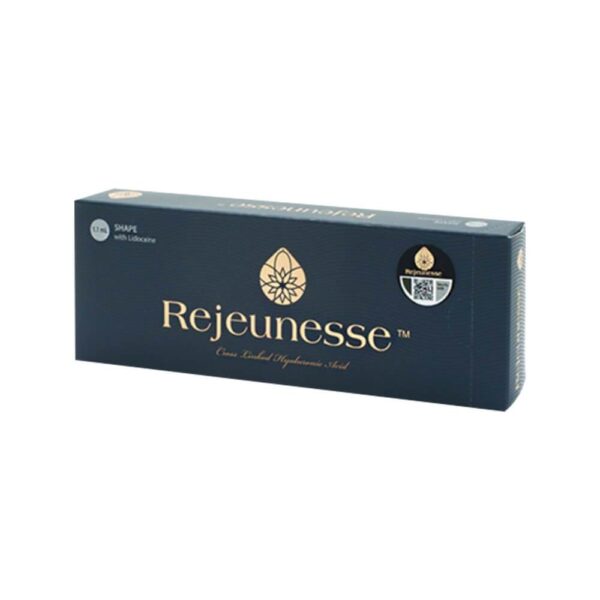
Rejeunesse — Fine, Deep, Shape (Newmedic Co., Ltd.)
Rejeunesse is manufactured by Newmedic Co., Ltd. using UPHEC purification technology — a process that keeps endotoxin levels below 1.2 EU/mL and leaves no detectable BDDE residue in the final product. That combination addresses two of the more common sources of post-injection inflammatory response.
Rejeunesse Fine contains 24 mg/mL HA and 0.3% lidocaine in a soft monophasic gel suited for fine-to-medium wrinkles in delicate zones — periorbital area, forehead lines, early nasolabial lines. Injection depth targets the superficial-to-mid dermis. Duration approximates 8–12 months.
Rejeunesse Deep steps up significantly in density. At 24 mg/mL in a high-viscosity cross-linked structure, it is formulated for moderate-to-deep wrinkles, pronounced folds, and contouring procedures. Clinical observations suggest results lasting between 6 and 12 months. Certified CE, GMP, ISO 9001, and ISO 13485 — supplied with 27G needles.
Rejeunesse Shape addresses deep facial contouring and structural volumization. The monophasic gel creates uniform density that integrates without clumping — a clinically relevant characteristic when working in the chin, jawline, or cheek compartments. Same 24 mg/mL HA concentration with 0.3% lidocaine, 26G needles, 6–12 month duration.
Regenovue — Fine Plus, Deep Plus, Sub-Q Plus (NeoGenesis Co., Ltd.)
NeoGenesis Co., Ltd. produces the Regenovue line using 100% BDDE cross-linked, non-animal-derived HA from bacterial fermentation. Full cross-linking — with no detectable residual BDDE in the finished product — distinguishes this range from formulations that rely on partial cross-linking.
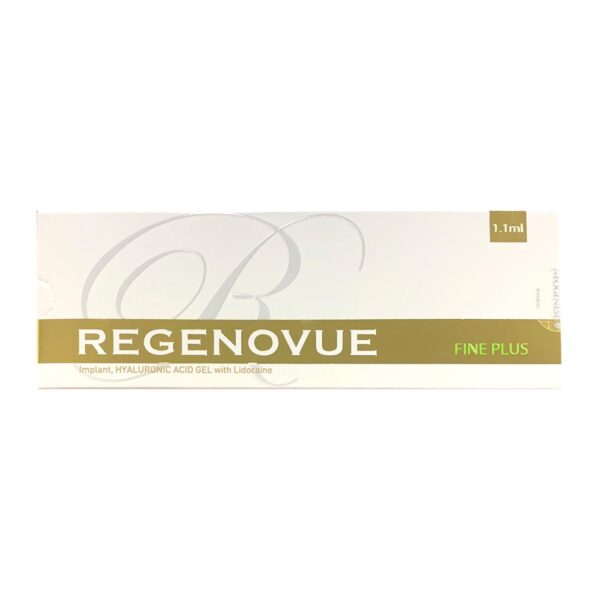
Regenovue Fine Plus targets the upper dermis for fine wrinkle correction and subtle refinement. CE certified, 24 mg/mL HA, 0.3% lidocaine, upper-dermis injection depth, duration approximately 6–10 months. Supplied with both a 27G and 30G needle — practical for varying surface delicacy across treatment areas.
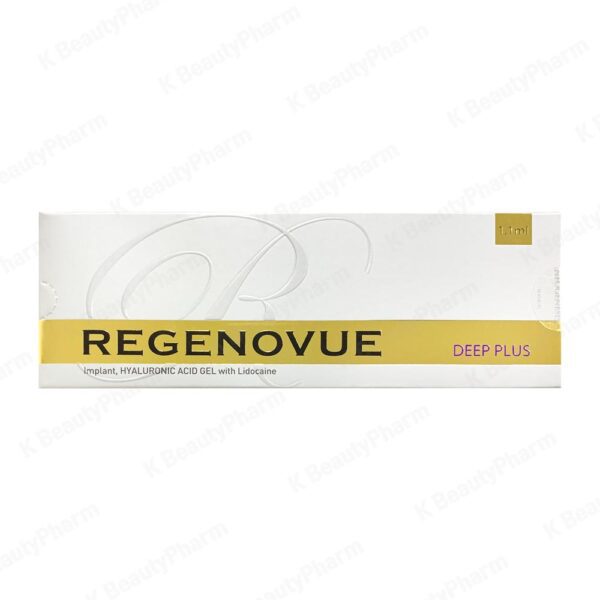
Regenovue Deep Plus addresses moderate-to-deep facial wrinkles, lip augmentation, nasolabial folds, and volume restoration in the chin and cheeks. The 24 mg/mL HA is fully cross-linked and CE certified. Duration is 6–12 months, supplied with 27G needles.
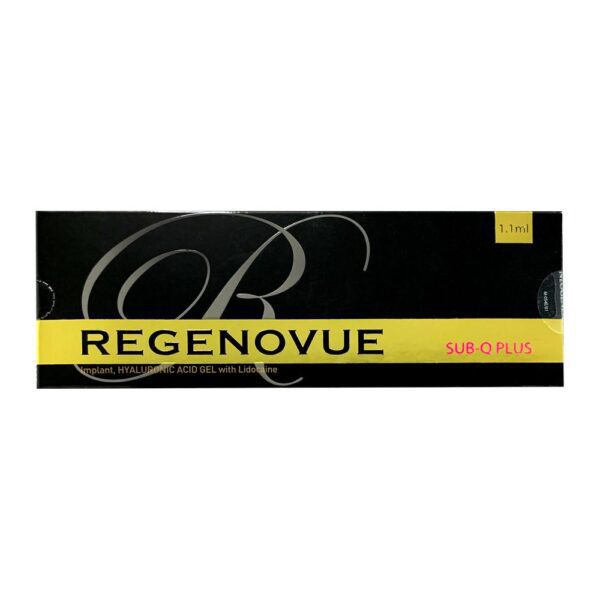
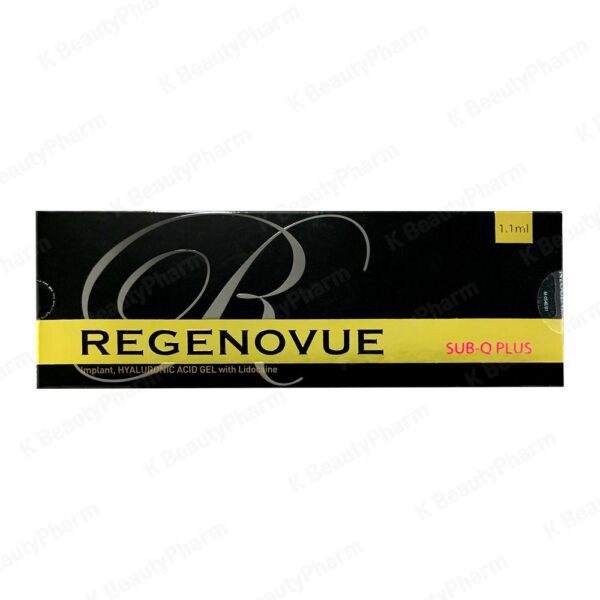
Regenovue Sub-Q Plus is the deepest-plane filler in the Regenovue range, at 24 mg/mL HA with 0.3% lidocaine. Targeted at deep nasolabial folds, marionette lines, and structural augmentation of the nose, chin, and lips. Duration is 6–12 months. The high viscosity and BDDE cross-linking resist enzyme degradation, supporting longevity. Supplied with both 27G and 25G needles.
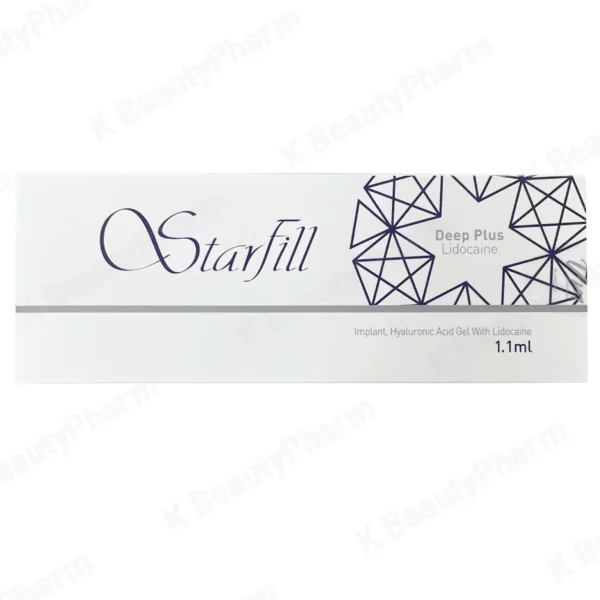
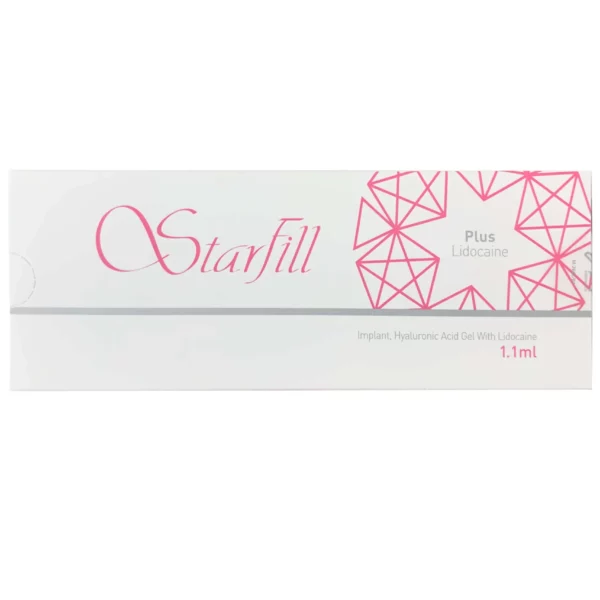
Starfill — Plus, Deep Plus, Implant Plus (JETEMA)
JETEMA’s Starfill range is differentiated by ZEEP technology — Zero Endotoxin and BDDE Entire Process — a manufacturing approach that takes contamination control further than most. Endotoxin levels in Starfill products test below 0.1 EU/mL, and no residual BDDE is present. ISO 13485:2016 certified.
Starfill Plus (24 mg/mL HA, 0.3% lidocaine) is designed for thin, sensitive, or irregular-texture-prone areas — tear troughs, the lip surface, and forehead lines. Superficial-to-mid-dermal placement. Duration 6–10 months, with clinical assessments confirming improvement at 8, 16, and 24 weeks.
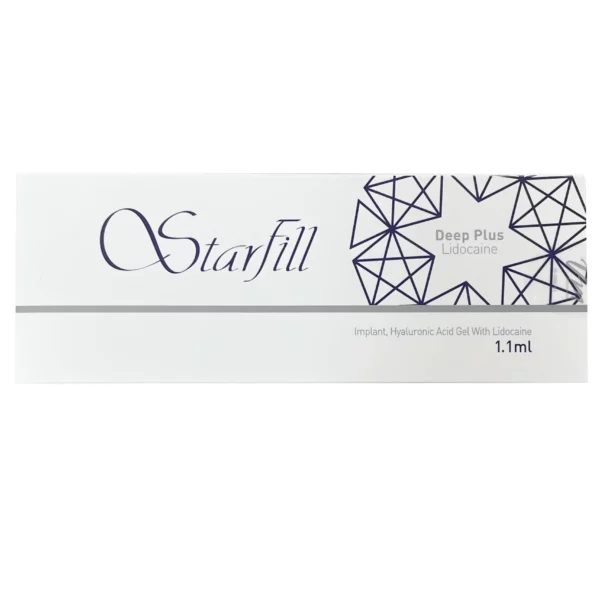
Starfill Deep Plus addresses a broader range of aesthetic concerns — wrinkle correction, volume restoration, cheek and chin definition. The 24 mg/mL concentration, high viscosity, and ZEEP-verified purity make it a reliable choice for mid-to-deep dermal work. Duration runs 6–12 months.
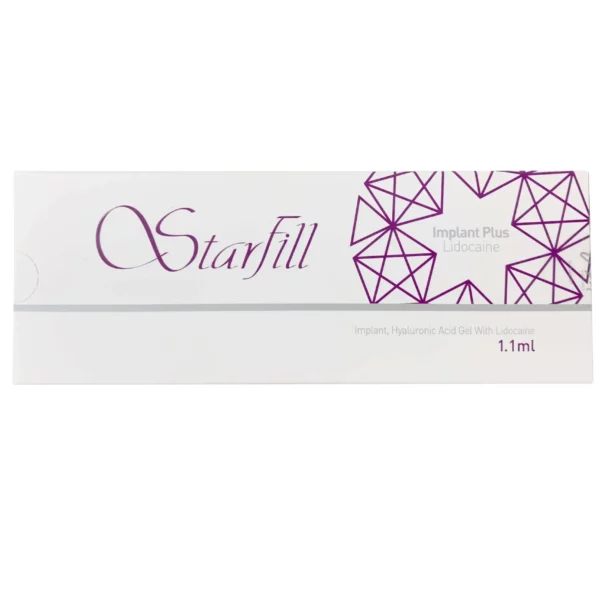
Starfill Implant Plus handles structural facial rejuvenation — chin, jawline, temples. At 24 mg/mL with advanced cross-linking, results may persist 6–12 months, which is on the longer end for HA fillers and may reduce the frequency of patient return visits for maintenance.
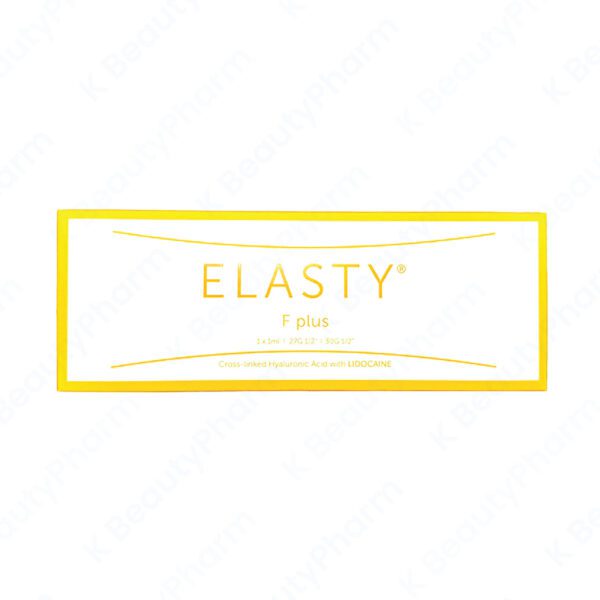
Elasty — F Plus, D Plus, G Plus
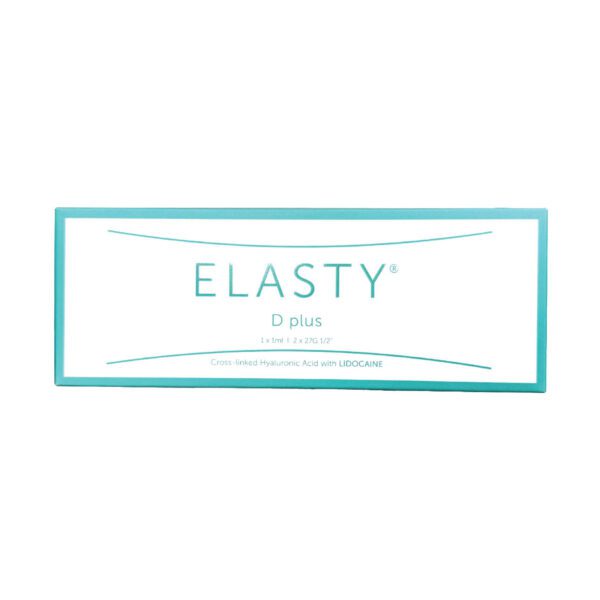
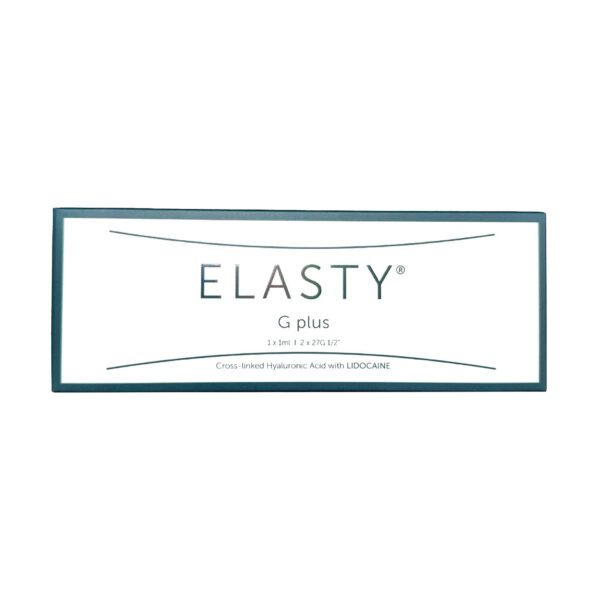
The Elasty range uses PNET™ (Preserved Natural Entanglement Technology / Polymer Network Enhancing Technology), which aims to enhance cohesiveness and elasticity while minimizing cross-linker exposure. Residual BDDE in Elasty D Plus is documented below 0.2 ppm.
Elasty F Plus — medium viscosity, 24 mg/mL HA, 0.3% lidocaine — is suited for fine-to-medium wrinkles and lip volume enhancement. Duration 6–12 months (8–12 months per clinical assessment), supplied with both 27G and 30G needles.
Elasty D Plus is designed for deeper wrinkles, lip augmentation, and volume restoration in the cheeks, chin, and jawline. Same 24 mg/mL concentration, 1 mL syringe, 27G needles, 6–12 month duration.
Elasty G Plus — the highest-density product in the range — targets medium-to-deep wrinkles, significant folds, and zones where structural definition is needed. PNET™ technology enhances the gel’s cohesiveness and resistance to lateral spread. Duration 6–12 months.
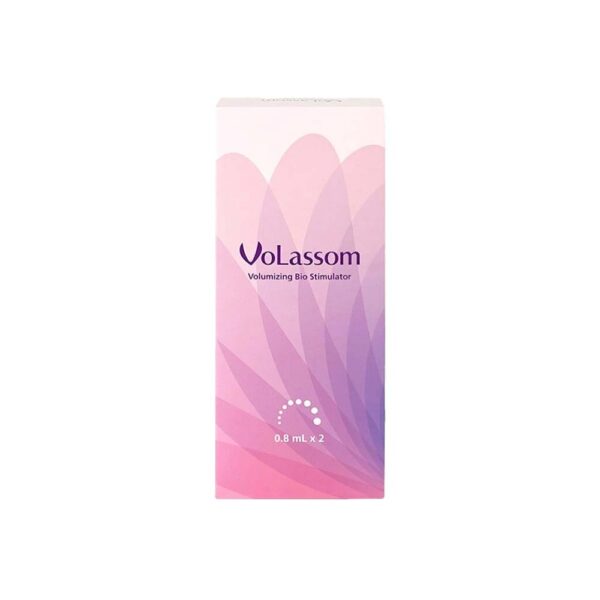
Volassom — Calcium Hydroxylapatite (CaHA) Volumizing Biostimulator
Volassom operates on a different mechanism from HA fillers, and it is worth understanding that distinction clearly. The active component is calcium hydroxylapatite microspheres suspended in a sodium carboxymethylcellulose gel carrier. CaHA occurs naturally in human bone; it is biocompatible and fully biodegradable.
On injection, the carrier gel provides immediate volume. Over time — typically across several months — the CaHA microspheres stimulate fibroblast activity, driving new collagen and elastin synthesis. As the microspheres gradually dissolve, the structural support transitions from the gel itself to the patient’s own regenerated collagen. This is why duration extends to approximately 18 months, and why results may continue to improve past the initial treatment period.
Volassom is approved by South Korea’s Ministry of Food and Drug Safety (MFDS) and is appropriate for volume restoration, facial contouring, and patients where collagen stimulation alongside immediate volume correction is the clinical goal.
Korean Fillers vs. Juvederm — What’s Actually Different?
This comparison comes up often, so it is worth addressing without the usual vagueness. Both Juvederm (Allergan / AbbVie) and Korean HA fillers use cross-linked hyaluronic acid as the active substance. The fundamental mechanism is the same.
Where they may differ:
Manufacturing approach. Juvederm uses VYCROSS technology, which cross-links HA chains of varying molecular weights. Korean brands use their own proprietary cross-linking systems (SHAPE™, UPHEC, ZEEP, PNET), each with specific performance claims around purity and endotoxin control. Neither approach is categorically superior — they produce gels with different rheological profiles suited to different clinical scenarios.
Price point. Korean fillers are generally available at 50–80% less per unit than comparable Juvederm products. This reflects lower operational costs in South Korea and manufacturing efficiencies — not a compromise in raw material quality. For high-volume clinics, this cost differential is meaningful.
Regulatory status. Juvederm holds FDA approval for the US market. Korean fillers in this collection hold KFDA approval (South Korea’s equivalent regulatory body) and most carry CE certification for European markets. Some — including certain Revolax and Neuramis variants — have undergone FDA registration processes. Practitioners should verify applicable jurisdiction requirements before purchasing.
Reversibility. Both are hyaluronidase-reversible. Volassom (CaHA) is not reversible via hyaluronidase.
Are Korean Dermal Fillers Safe?
Short answer: yes, when sourced from legitimate manufacturers and administered by trained practitioners.
KFDA (Korea’s Ministry of Food and Drug Safety) maintains rigorous pre-market requirements for medical devices, including dermal fillers. All products in this collection are KFDA-approved. CE certification from notified bodies adds a second layer of regulatory validation covering biocompatibility, sterility, and clinical performance.
The potential risks associated with dermal fillers — bruising, swelling, asymmetry, subdermal nodules, vascular occlusion in rare cases — are largely technique-dependent rather than product-dependent. No filler, Korean or otherwise, eliminates these risks entirely. They may be reduced by selecting appropriate product viscosity for the injection plane and working with qualified practitioners.
For practitioners purchasing from KBeautyPharm: All products ship directly from South Korean manufacturers in original sealed packaging. Cold chain protocols are maintained where applicable.
Selecting the Right Filler for Your Clinic
A simplified reference for clinical decision-making across this collection:
Indication | Recommended Products |
Fine lines, early-stage correction | Revolax Fine, Rejeunesse Fine, Regenovue Fine Plus, Starfill Plus, Elasty F Plus |
Lip augmentation | Neuramis Deep, Dermalax Deep Plus, Rejeunesse Deep, Starfill Deep Plus |
Nasolabial folds, moderate wrinkles | Neuramis Deep, Revolax Deep, Regenovue Deep Plus, Elasty D Plus |
Cheek volumization | Neuramis Volume, Dermalax Implant Plus, Rejeunesse Shape, Regenovue Sub-Q Plus |
Chin, jawline, nose contouring | Revolax Sub-Q, Dermalax Implant Plus, Rejeunesse Shape, Starfill Implant Plus, Elasty G Plus, EPTQ500 |
Deep structural correction | Regenovue Sub-Q Plus, Starfill Implant Plus, Rejeunesse Shape |
Collagen stimulation + volume | Volassom (CaHA biostimulator) |
Lidocaine is included in all HA formulations across this collection, which reduces the need for separate topical anaesthetic in most indications.
Frequently Asked Questions
Which Korean filler is best?
There is no single answer, and any source that claims otherwise is oversimplifying. The right filler depends on the injection plane, the aesthetic goal, and patient factors like facial anatomy and metabolism. Revolax Sub-Q and Dermalax Implant Plus are well-suited for structural contouring. Neuramis Deep and Rejeunesse Fine handle lip work reliably. Volassom addresses patients where collagen stimulation is the primary goal.
How long do Korean fillers last?
Fine-line fillers in this collection typically last 6–10 months. Mid-depth volumizing fillers run 6–12 months. Structural heavy-density fillers can approach 6–12 months. Volassom provides approximately 18 months due to its biostimulating mechanism.
Are Korean brand fillers FDA approved?
KFDA (Korean Food and Drug Safety) approval is the applicable regulatory clearance for these products at the point of manufacture. CE certification covers European markets. FDA clearance for US-market sale varies by product — practitioners operating in the United States should verify specific product status before purchase.
Is Korean filler better than Juvederm?
That framing is somewhat misleading. Korean HA fillers use comparable cross-linked HA technology with different proprietary manufacturing processes. Several perform comparably to Juvederm in peer-reviewed clinical settings. The main practical difference for clinics is cost: Korean fillers generally offer a lower cost per unit, which could affect treatment economics without necessarily compromising clinical outcomes.
Are Korean dermal fillers good for older patients
Dermal fillers — Korean or otherwise — can be appropriate across a wide age range when selected correctly. For patients with significant volume loss, a CaHA biostimulator like Volassom or a high-density HA filler like Dermalax Implant Plus may produce more clinically appropriate outcomes than lighter formulations. A qualified practitioner should assess each case individually.
Who can buy from KBeautyPharm?
This collection is available to licensed medical professionals, aesthetic practitioners, and certified clinics. Minimum order is $500. Free shipping applies on orders over $800. Wholesale inquiries are handled separately — see the Wholesale Inquiries page.