
Gummy Smile Botox: How It Works, What to Expect, and What Can Go Wrong

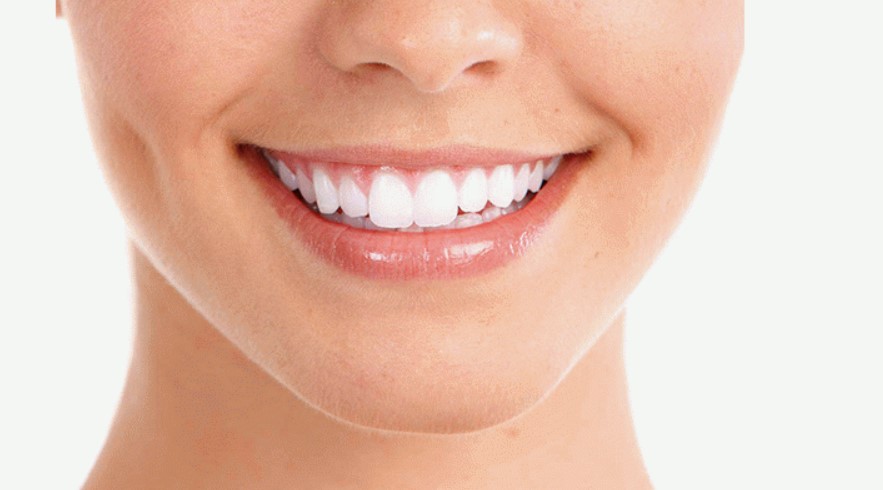
Botox (Botulinum Toxin) treats a gummy smile by relaxing the upper lip elevator muscles. A small injection prevents the lip from pulling too high when you smile. This keeps excess gum tissue hidden and the smile balanced. The procedure takes under 15 minutes and requires no downtime.
Botox works only when overactive muscles cause the gummy smile. It does not correct skeletal or dental causes. Read below to understand how it works. This article covers units, results, and risks.
What Is a Gummy Smile?
A gummy smile exposes more than 3 mm of gum tissue above the upper teeth. The clinical term is excessive gingival display. It affects approximately 14% of women and 7% of men.
The 3 mm threshold comes from research. Studies show 0–2 mm of gum exposure produces the most attractive smile. Exposure above 3 mm draws attention to the gum line instead of the teeth.
Pre-Anatomy Cheat Sheet:
| Abbreviation | Full Clinical / Standard Term | Context & Definition in This Guide |
| LLSAN | Levator Labii Superioris Alaeque Nasi | The primary muscle responsible for lifting the upper lip; the main target for gummy smile Botox. |
| LLS | Levator Labii Superioris | A neighboring upper lip elevator muscle that forms part of the Yonsei Point anatomy. |
| Zmi | Zygomaticus Minor | A cheek muscle involved in smiling that marks the outer boundary of the Yonsei Point. |
| LRS | Lip Repositioning Surgery | A permanent surgical procedure that removes mucosal tissue to physically restrict lip elevation. |
| ALS | Amyotrophic Lateral Sclerosis | A serious neurodegenerative disease listed as a strict medical contraindication for Botox. |
| U | Units | The standardized clinical measurement used to dose botulinum toxin (e.g., 5 U). |
| mm / cm | Millimeters / Centimeters | Metric units used to classify gum display severity (mm) and map facial injection sites (cm). |
How Much Gum Showing Is Considered a Gummy Smile?
Clinicians classify gummy smiles by severity based on gingival exposure at maximum smile:
- Mild: 2–3 mm of gingival exposure
- Moderate: 4–5 mm of gingival exposure
- Severe: more than 5 mm of gingival exposure
Severity determines both treatment choice and Botox dosage.
The 4 Types of Gummy Smile
There are 4 types of gummy smiles, each requiring a different injection approach:
- Anterior gummy smile: More than 3 mm of gum tissue shows between the canine teeth. The levator labii superioris alaeque nasi (LLSAN) muscle drives this type. Injection goes lateral to the wing of the nose.
- Posterior gummy smile: Gum tissue appears behind the canines. The zygomaticus major and minor muscles cause it. Injection targets 2 points. The first sits lateral to the nostril. The second sits 2 cm further at tragus level.
- Asymmetric gummy smile: One side shows more gum than the other. Asymmetric contraction of the zygomatic or LLSAN muscles causes this. Dose differs between sides.
- Mixed gummy smile: Both the anterior and posterior gum regions show excess tissue. A combination of both injection protocols applies.
Identifying the type first is necessary, because treatment without it often fails.
What Causes a Gummy Smile?
A gummy smile is typically caused by one of three distinct structural factors: muscular, skeletal, or dental. Identifying the correct root cause is essential, as it dictates whether the issue can be treated conservatively or requires advanced intervention.
1. Muscular Causes (Where Botox Excels)
Hyperactivity in the upper lip elevator muscles is the most common culprit behind a gummy smile.
-
The Anatomy: A normal vertical lip movement from a resting position to a full smile is 6 to 8 mm. Any movement exceeding 8 mm is classified as lip hypermobility.
-
The Botox Connection: Clinical studies show that gummy smile patients exhibit 20% greater perioral (mouth-area) muscle activity than the general population. Because these overactive muscles pull the upper lip too high, neurotoxins like Botox work perfectly here by gently relaxing the tissue to limit vertical travel.
2. Skeletal & Dental Causes (Where Botox Cannot Help)
If the issue is structural rather than muscular, neurotoxins will offer little to no improvement. These cases require alternative clinical treatments:
-
Vertical Maxillary Excess (Skeletal): The upper jawbone is structurally too long, pushing the entire upper lip upward both at rest and when smiling. This requires orthognathic (jaw) surgery to correct.
-
Altered Passive Eruption (Dental): The gum tissue fails to recede normally during tooth development, covering too much of the natural tooth crown and creating a “short tooth” appearance. This is corrected via a periodontal gingivectomy or crown lengthening procedure.
Clinical Takeaway: A comprehensive clinical evaluation is crucial before treatment. Injecting Botox into a patient whose gummy smile is purely skeletal or dental will yield poor results and unsatisfied patients.
How Gummy Smile Botox Works
Botox stops the LLSAN muscle from fully contracting during a smile. The toxin blocks acetylcholine release at the neuromuscular junction. Acetylcholine is the chemical signal that triggers muscle contraction. Without it, the upper lip elevator relaxes partially. The lip rests lower while smiling. Gum tissue stays hidden.
The treatment does not freeze the lip. A natural smile still forms — the lip just does not pull as high.
The Target Muscle: LLSAN
The LLSAN (levator labii superioris alaeque nasi) is the primary injection target. It originates at the frontal process of the maxilla and inserts into the upper lip. Injecting directly into the LLSAN produces 84–96% improvement in gingival display. Injecting only the zygomaticus major or minor produces only 61–72% improvement.
The LLSAN is the most important target muscle. It drives upper lip elevation while smiling.
The Yonsei Point: The Standard Injection Landmark
The Yonsei Point is the most precise and reproducible injection landmark for gummy smile Botox. It sits at the center of a triangle formed by 3 muscles. These are the LLSAN, the LLS, and the zygomaticus minor (Zmi). Its surface position is 1 cm lateral from the ala of the nose horizontally.
Injecting at this point delivers Botox to 3 muscles simultaneously with a single insertion. Studies report strong results with less risk of side effects compared to multiple-point techniques.
How Many Units of Botox Do You Need for a Gummy Smile?
The standard starting dose is 2–3 units per side for mild to moderate gummy smiles. Most patients receive a total of 4–6 units across both sides at first treatment. A retouching appointment at 2–3 weeks confirms the effect and allows dose adjustment.
Dose by Severity
Clinical evidence from a prospective randomized trial establishes these dose-response benchmarks:
- 5 U per LLSAN: Effective for mild gummy smiles (2–3 mm exposure)
- 5 U per LLSAN: Most effective for moderate to severe cases — produces significantly greater reduction than 2.5 U
- 5 U per LLSAN: Offers no additional improvement over 5 U; higher side effect risk
The 5-unit dose is the clinical optimum for most patients. Exceeding it does not improve results.
Male vs. Female Dosing
Males need higher units than females to achieve the same result. Males have larger lip elevator muscle volume. Clinicians adjust the starting dose upward for male patients before the first session.
Botox vs. Dysport for Gummy Smile
Both Botox (onabotulinumtoxinA) and Dysport (abobotulinumtoxinA) reduce gummy smiles effectively at comparable doses. However, Dysport spreads over a wider area than Botox after injection. For facial muscles, Botox is the preferred formulation. It stays more localized than Dysport. This reduces risk of affecting nearby muscle groups.
Results: What to Expect and When
Timeline
Gummy smile Botox produces visible results within 2–4 days. The full effect peaks at 7–10 days. Most patients see maximum reduction between 2 and 4 weeks post-injection. Clinical studies measure outcomes at 2 weeks, because that is the point of maximum change.
Across 9 clinical studies, improvement in gingival exposure ranged from 61 to 98%. These studies included 234 patients. A 2017 clinical trial showed a mean improvement of 99.65% at 2 weeks after injection.
How Long Does Gummy Smile Botox Last?
Gummy smile Botox lasts 3–5 months for most patients. The lip returns to its original height as the muscles regain function through nerve reinnervation. This is not a failure — it is a normal biological process. Some patients note residual improvement past 24 weeks. This occurs even after the full muscle recovery cycle.
At 12 months, the relapse rate for Botox alone is 70–90%. Regular repeat sessions maintain the result.
Does Repeat Injections Extend the Effect?
Repeated injections do not extend the duration of each treatment cycle. Each session follows the same pattern. Peak effect occurs at 2 weeks. Reduction begins after, with full recovery at 3–4 months. Some studies suggest muscle volume decreases slightly over many cycles. This may allow for fewer units over time.
Gummy Smile Botox vs. Lip Flip: What Is the Difference?
Gummy smile Botox and a lip flip are 2 different procedures targeting different muscles. Confusing the two is a common mistake. Both procedures involve Botox near the mouth. Here is the difference:
| Feature | Gummy Smile Botox | Lip Flip |
| Target muscle | LLSAN (levator labii superioris alaeque nasi) | Orbicularis oris (upper lip border) |
| Injection location | Base of nostrils / Yonsei point | Along the upper lip vermillion border |
| Goal | Lower upper lip height during smiling | Curl upper lip outward for visible fullness |
| Units | 4–10 total | 4–8 total |
| Side effects | Minimal with correct placement | Speech changes, straw difficulty, kissing difficulty |
| Duration | 3–5 months | 2–4 months (wears faster due to muscle use) |
Patients without a true gummy smile who receive a lip flip report stiffness, flat appearance, and inability to drink from a straw. These side effects do not apply to correctly placed gummy smile injections.
Ask your injector specifically for LLSAN injections if your goal is reducing gum visibility. This is the correct clinical approach for a gummy smile.
Side Effects and What Can Go Wrong
Gummy smile Botox has a low side effect rate when performed by an experienced injector. Clinical trials including 234 patients report that most complications are minor and temporary.
Common Side Effects
There are 5 localized side effects reported in clinical literature:
- Bruising at the injection site
- Swelling or mild redness (24–48 hours)
- Mild headache or tenderness
- Temporary minor asymmetry
- Slight drooping of the upper lip (early days only)
These resolve without intervention.
What Gummy Smile Botox Gone Wrong Looks Like
Overdose or incorrect placement causes 3 types of visible problems:
- Asymmetric or “sad” smile: One side of the lip drops lower than the other. An additional targeted injection at follow-up corrects this.
- Flattened or “frozen” smile: Too many units prevent the lip from curving naturally during a genuine smile. The expression looks unnatural or stiff.
- Difficulty with speech or eating: Botox placed too close to the orbicularis oris muscle affects lip seal. This causes pronunciation problems, straw difficulty, and trouble maintaining lip closure.
All 3 complications are temporary. They resolve as the Botox wears off over 6–12 weeks.
Can Gummy Smile Botox Be Reversed?
Gummy smile Botox is reversible — it wears off on its own within 3–5 months. There is no antidote for Botox. Accelerating muscle activity (chewing, facial exercise) may slightly speed recovery. Do not attempt physical manipulation of the injection site to “break down” the toxin.
Who Is a Good Candidate for Gummy Smile Botox?
Gummy smile Botox works best for patients with overactive upper lip muscles. Before injecting, a clinician must confirm the cause is muscular. A clinical facial assessment rules out skeletal and dental causes.
Good Candidates
The ideal patient shows all 3 of these criteria:
- More than 3 mm of gum tissue visible during maximum smile
- Normal jaw structure (no vertical maxillary excess)
- Normal tooth length and gum position at rest
Contraindications
There are 6 contraindications for gummy smile Botox. Do not receive this treatment if you:
- Are pregnant or breastfeeding
- Take calcium channel blockers
- Take aminoglycosides or cyclosporine
- Have a neuromuscular disorder (myasthenia gravis, ALS)
- Have a hypersensitivity or allergy to botulinum toxin
- Have short clinical crowns causing visible gum — periodontal treatment is the correct solution
Disclose all medications at consultation. Some drugs interact with botulinum toxin and increase adverse effects.
How Much Does Gummy Smile Botox Cost?
Gummy smile Botox costs between $200 and $750 per session in the United States. Cost varies by 3 factors. These are provider credentials and location, units required, and pricing model.
Per-unit pricing typically runs $12–$25 per unit. A standard 4–6 unit treatment costs $50–$150 in product alone. Provider fees and clinic overhead account for the rest.
The cost per session is far lower than surgical alternatives. Gingivectomy costs $1,000–$3,000. Lip repositioning surgery runs $2,000–$5,000. Orthognathic surgery exceeds $20,000.
Repeat maintenance sessions every 3–5 months are necessary, because Botox does not produce permanent results.
How to Permanently Fix a Gummy Smile
No permanent fix exists for muscular-origin gummy smiles using Botox alone. 3 surgical options offer lasting correction:
1. Lip Repositioning Surgery (LRS)
Lip repositioning removes a strip of mucosal tissue. This limits upward lip movement during smiling. It produces 40–60% relapse rates over 12 months with conventional technique. Modified techniques using myotomy or periosteal anchor sutures reduce relapse to 15–25% over 3 years.
2. Combined Botox + Lip Repositioning Surgery
The combined approach produces the most stable results of any method. A 2026 systematic review (17 studies, 576 patients) shows only 10–20% relapse at 12 months. This applies to the combined Botox-plus-surgery approach. Botox is typically injected 1–2 weeks before surgery. Additional post-operative injections at 2, 4, and 8 months further improve stability.
This approach works well, because the Botox neutralizes muscular traction during the critical tissue-healing period. Muscles that would otherwise pull the lip back upward are temporarily inactive.
3. Orthognathic Surgery
Orthognathic surgery is the correct treatment for gummy smiles caused by vertical maxillary excess. LeFort I osteotomy repositions the upper jaw. It reduces gum visibility at rest and during smiling. This is not appropriate for muscular causes.
Gummy Smile Botox Aftercare
Follow 5 aftercare rules for the first 24–48 hours after injection:
- Do not massage or press the injection site for 24 hours
- Do not lie face-down or exercise vigorously for 4 hours post-injection
- Do not receive facial massages or heat treatments for 48 hours
- Stay upright for at least 4 hours after the procedure
- Attend the follow-up appointment at 2–3 weeks to assess results and adjust if needed
Do not receive repeat injections before the previous treatment has fully worn off, because early re-injection can trigger antibody formation. Antibodies reduce treatment effectiveness over time.
Is Gummy Smile Botox Worth It?
Gummy smile Botox is worth it for muscular-origin cases. Patients want a fast, reversible, non-surgical result.
The procedure takes under 15 minutes. There is no recovery time. Results appear within 2 weeks. All 9 clinical trials in one review reported high patient satisfaction scores.
It is not worth it for 3 groups. These are patients with skeletal causes, patients wanting permanent results without surgery, and patients bothered by mild early lip restriction.
Frequently Asked Questions
Can Botox fix a gummy smile?
Botox fixes a gummy smile caused by overactive upper lip muscles. It does not correct skeletal-origin gummy smiles. It also does not treat excess gum tissue around teeth. A clinical assessment determines whether Botox is appropriate for your specific cause.
How many units of Botox are needed for a gummy smile?
Most patients need 4–6 total units for a gummy smile — 2–3 units per side. Moderate to severe cases benefit from 5 units per side. Increasing to 7.5 units provides no additional clinical benefit.
How long does gummy smile Botox last?
Gummy smile Botox lasts 3–5 months for most patients. The muscles regain function through natural nerve reinnervation. Maintenance sessions every 3–5 months maintain results.
Does gummy smile Botox wear off completely?
Yes — gummy smile Botox wears off completely as nerves reinnervate the lip elevator muscles. Some patients notice residual reduction past 24 weeks. Full return to baseline occurs between 3 and 6 months.
What is the difference between gummy smile Botox and a lip flip?
Gummy smile Botox targets the LLSAN muscle to lower the lip. A lip flip targets the orbicularis oris to curl the lip outward. They are 2 different procedures. A lip flip does not reduce gum visibility. It produces more side effects than gummy smile injections. These include speech changes and straw difficulty.
Is Dysport better than Botox for a gummy smile?
Dysport and Botox produce similar gummy smile results at equivalent doses. Botox is preferred for facial muscles. It spreads less widely after injection. Dysport spreads more widely after injection, which increases the risk of affecting nearby muscles. OnabotulinumtoxinA (Botox) stays more localized and reduces risk.
The Bottom Line
Gummy smile Botox is a 15-minute, highly effective fix—but only if the issue is muscular. It works by using 4 to 6 total units to partially relax the LLSAN muscle at the “Yonsei Point.”
If the patient’s gummy smile is caused by a long jawbone or excess gum tissue, Botox will fail. The sweet spot is 5 units per side; exceeding this adds zero extra smile reduction, but dramatically spikes the risk of a stiff, “frozen” upper lip.
Sources & Clinical References
- Al-Fouzan, A. F., et al. (2017). Botulinum Toxin Type A for the Treatment of Excessive Gingival Display: A Clinical Trial. The Journal of Contemporary Dental Practice (JCDP).
- Fatani, B. (2023). Botulinum Toxin for the Treatment of a Gummy Smile: A Narrative Review of Anatomy, Dosing Protocols, and Complications. Cureus Journal of Medical Science.
- Hwang, W. S., Hur, M. S., Hu, K. S., et al. (2009). Surface Anatomy of the Lip Elevator Muscles for the Treatment of Gummy Smile Using Botulinum Toxin [Establishment of the Yonsei Point]. The Angle Orthodontist.
- Myung, S., et al. (2021). Outcome Analysis of Botulinum Toxin Injections for Excessive Gingival Display: A Review of 9 Clinical Trials. Journal of Dental Rehabilitation and Applied Science (JDRAS).
- Polo, M. (2008). Botulinum toxin type A (Botox) for the neuromuscular correction of excessive gingival display on smiling (gummy smile). American Journal of Orthodontics and Dentofacial Orthopedics.
- Siano, M., et al. (2026). Long-Term Relapse Rates in Standalone Botulinum Toxin vs. Combined Lip Repositioning Surgery: A Systematic Review of 576 Patients. Oral.
- Sucupira, E., & Abramovitz, A. (2012). A simplified method for smile enhancement: botulinum toxin injection for gummy smile. Plastic and Reconstructive Surgery.
