Fillers vs. Botox: How to Choose the Right Treatment for Wrinkles


Introduction
Fillers and Botox are among the most popular non-surgical cosmetic procedures. While both are used to reduce wrinkles, they work in entirely different ways. The right choice depends on whether the wrinkles are caused by volume loss or muscle movement.
Understanding the Key Difference
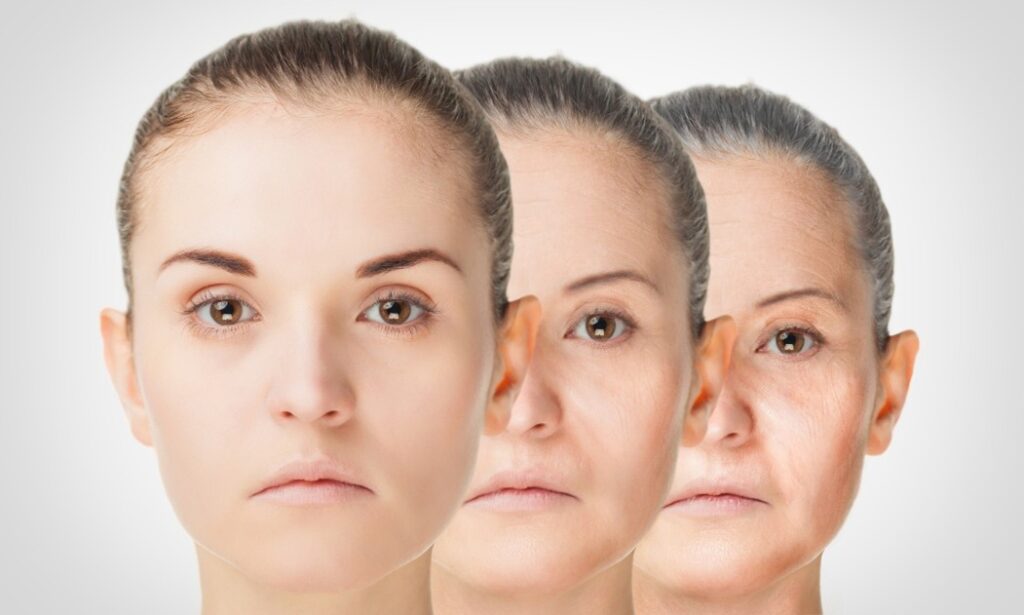
Wrinkles caused by sunken areas of the skin, such as nasolabial folds or a hollow forehead, are primarily due to volume loss. In these cases, fillers are effective because they restore lost volume and improve facial structure. For deeper wrinkles, combining fillers with Botox can produce more natural and balanced results.
When Botox Is More Effective
On the other hand, wrinkles caused by repeated facial expressions—such as crow’s feet, forehead lines, and frown lines—are linked to muscle movement. Botox works by relaxing these muscles, reducing their activity and preventing wrinkles from forming or deepening.
Are Fillers Safe?
There is a common concern that fillers may stretch the skin and cause sagging over time. However, when used appropriately and in moderate amounts, this risk is minimal. The key factors are precise placement and using the correct volume, rather than excessive injection.
Does Botox Cause Permanent Muscle Weakness?
Botox does not permanently weaken muscles. It temporarily blocks nerve signals to reduce muscle activity, and the muscles gradually recover over time. However, with repeated treatments over a long period, muscles may become slightly smaller, allowing similar results with lower doses.
Additional Benefits of Botox
Botox is also widely used for facial contouring. For example, jawline Botox can slim the face by reducing the size of the masseter muscles. Trapezius Botox can relax the shoulders, creating the appearance of a longer neck and a smaller-looking face.
Age-Based Treatment Strategy
In younger individuals, particularly in their 20s and 30s, wrinkle treatment often focuses on expression lines, making Botox the primary option. However, after the age of 40, volume loss and skin sagging become more prominent, requiring a combination of fillers and Botox for optimal results.
Customized Treatment for Best Results
Even in cases of facial asymmetry, equal treatment on both sides is not always appropriate. Differences in muscle usage and structure mean that treatments must be tailored individually, sometimes requiring different doses on each side.
Conclusion
Fillers and Botox should not be seen as competing treatments, but rather as complementary solutions. The key to natural and effective results lies in accurately identifying the cause of wrinkles—using fillers for volume loss and Botox for muscle-related lines—and combining them when necessary.