Emerging Trends in Dermal Fillers: What’s New in 2026?

Analyzing the current trends in dermal fillers reveals that the world of injectable aesthetics has shifted noticeably. Patients are asking different questions now. They are not walking in wanting more — they want something that looks like less.
That change in mindset has reshaped how practitioners think, what products they reach for, and which techniques have fallen out of favor. Whether you are curious about getting your first treatment or you have had fillers before, understanding where this field stands today matters.
What is driving the shift in 2026 is not new products alone. It is a structural recalibration of expectations — both from patients and from the providers treating them. This comprehensive industry analysis details the molecular innovations, safety changes, and new injection techniques defining the dermal filler industry in 2026.
What Are Dermal Fillers, and Why Are They Evolving?
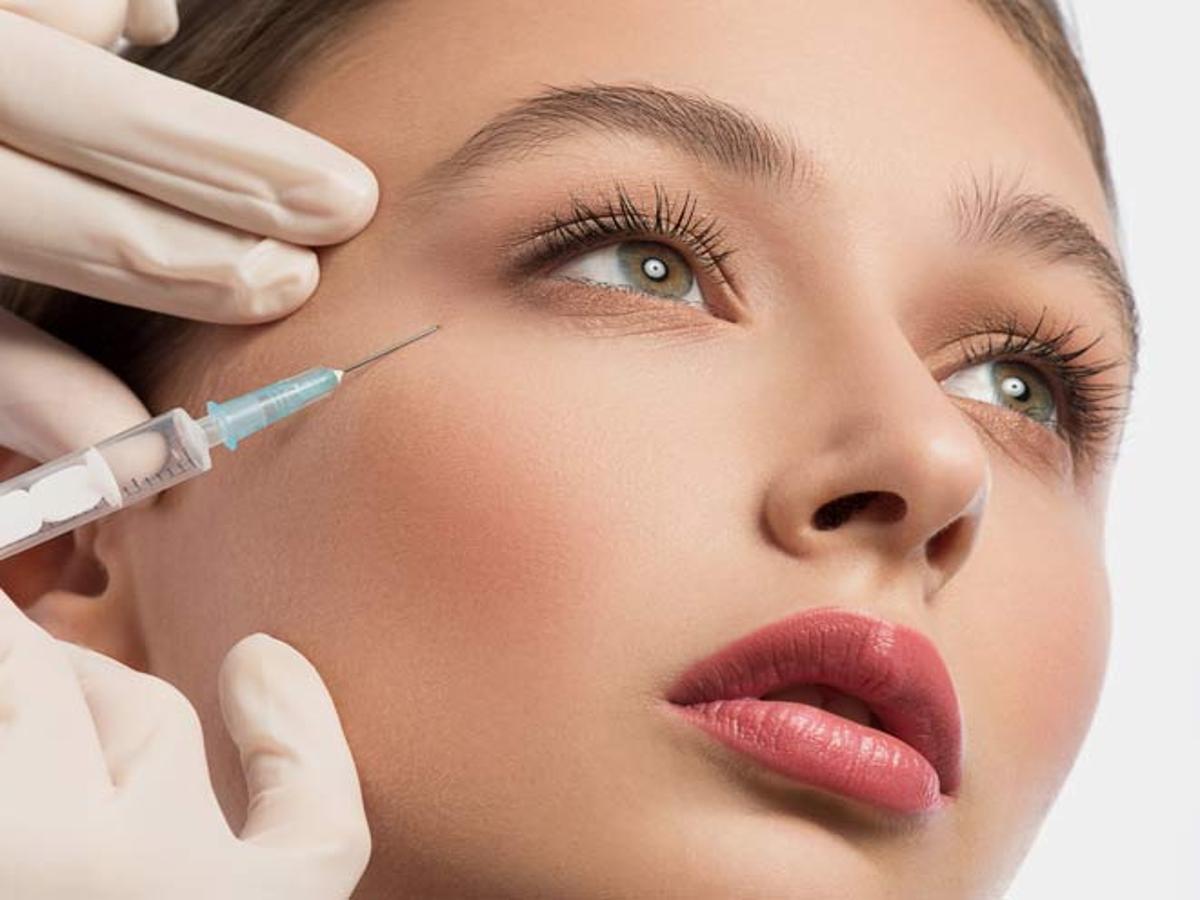
Dermal fillers are gel-like substances injected beneath the skin. They restore lost volume, smooth creases, and reshape facial contours—all without surgery. The FDA has approved more than 30 dermal fillers to date.
According to the American Society of Plastic Surgeons’ statistical tracking, approximately 5.3 million patients received facial fillers recently within a milestone baseline year, while lip fillers alone accounted for nearly 1.6 million additional treatments. These numbers keep climbing—yet the industry’s direction has changed significantly.
In the early days, collagen-based injectables were the standard. Then hyaluronic acid (HA) fillers like Juvéderm and Restylane became the dominant choice, valued for their safety profile and reversibility.
Over the past decade, though, specialization has taken over. There are now fillers designed specifically for the lips, others for deep structural support, and still others targeting skin quality rather than volume. Science has largely caught up with aesthetic goals.
What is driving the shift in 2026 isn’t new products alone. It is a recalibration of expectations—both from patients and from the providers treating them.
The Defining Filler Trend of 2026: Less Is Genuinely More
Ask most board-certified plastic surgeons or dermatologists what defines this moment in aesthetics, and you will hear a version of the same thing. ‘The best filler work is the kind you don’t notice,’ as one ASPS-affiliated surgeon put it. That statement says a lot.
For years, the culture around fillers quietly rewarded excess. Prominent cheekbones, dramatically plumped lips, aggressive jawline sculpting—these were visible signals of treatment, and for some patients, that was the point. But filler fatigue set in.
The ‘pillow face’ look, the result of overfilling across multiple zones, became shorthand for exactly what people were trying to avoid.
Today’s approach is different. Instead of placing large amounts of product in single areas, experienced injectors now use smaller volumes distributed across multiple zones. The goal is facial harmonization rather than feature augmentation.
Patients increasingly describe what they want as looking ‘refreshed’ or ‘rested’ rather than ‘done.’ This is not just a trend. It reflects a more mature understanding of facial aging—and a recognition that chasing volume alone often produces the wrong result.
What “Subtle” Actually Looks Like in Practice
Subtle does not mean invisible or ineffective. It means strategic. A skilled injector might use 0.5 ml in the tear trough, a small amount along the jawline, and a touch of HA in the lips—each placement chosen to restore balance rather than add volume for its own sake. The cumulative effect can be dramatic, even though no single area looks obviously treated.
This layered, multi-zone approach is sometimes called full-face harmonization or profile balancing. It is increasingly the standard in well-regarded practices, and patients tend to report higher satisfaction than those who had a single area overfilled.
The Molecular Shift: Hyaluronic Acid vs. Biostimulatory Agents
Hyaluronic Acid Engineering and the Hydration Trend
Hyaluronic acid (HA) remains a core pillar of modern cosmetic practices. This molecule occurs naturally within human skin tissue. However, modern HA filler trends emphasize cellular hydration over aggressive tissue expansion.
| Traditional HA Fillers (High Cohesivity) -> Aggressive Tissue Volumization 2026 Smart HA Gels (Fluid Polymers) -> Cellular Hydration & Soft Integration |
Advanced manufacturing methods use specialized cross-linking patterns. These flexible bonds allow standard gels to stretch naturally with facial expressions. Consequently, formulations like Juvéderm SkinVive or the RHA collection integrate smoothly into the skin layers.
They improve overall radiance without distorting natural anatomy. Crucially, these modified sugar gels remain fully reversible. Injecting a localized enzyme called hyaluronidase can quickly break down the product if complications arise.
The Rise of the Filler Dissolving Trend
Concurrently, the filler dissolving trend has become an independent market force. Many patients are actively reversing legacy work from previous years.
This corrective approach clears migration along the lip borders and cheek planes. Re-establishing a blank baseline tissue profile allows injectors to apply more natural, lower-density products later on.
Biostimulatory Fillers and Structural Neocollagenesis
The fastest-growing segment of the modern dermal filler industry involves biostimulatory fillers. These products do not simply fill empty spaces underneath the skin. Instead, they trigger a biological response that stimulates the body’s natural collagen production.
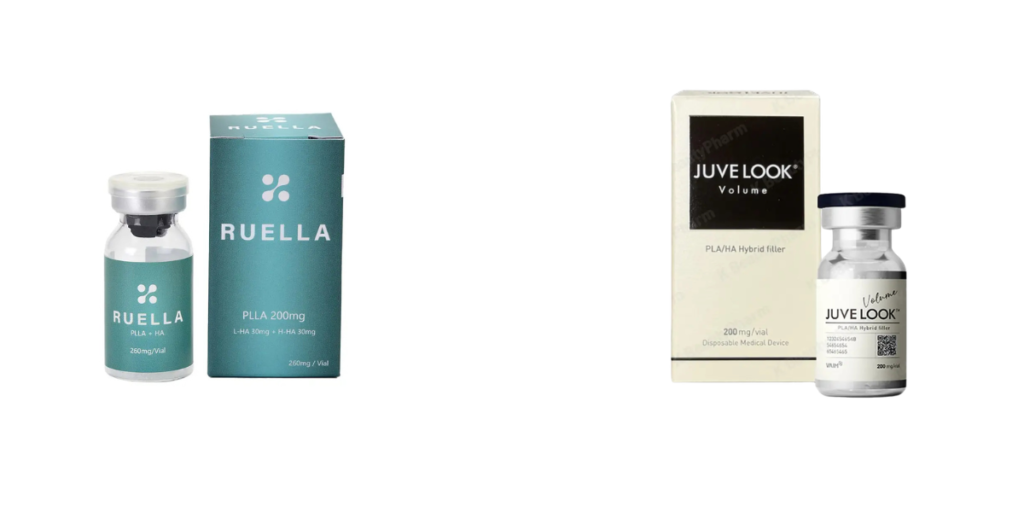
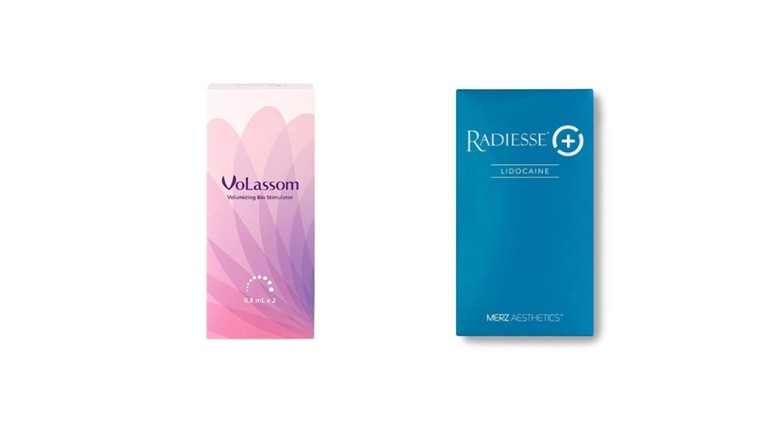
Poly-L-Lactic Acid (PLLA), known commercially as Sculptra, leads this progressive sector. Practitioners also widely utilize Calcium Hydroxylapatite (CaHA), sold as Radiesse. These micro-particles form a hidden scaffold within deep tissue layers.
Over several months, this structural foundation degrades naturally. It leaves behind an organized matrix of new, native collagen fibers. Clinical data shows these structural outcomes can persist for over twenty-four months.
Evolving Regional and Anatomical Aesthetics
Redefining the Lips: Korean and Russian Micro-Dosing Trends
The lip filler trend for 2026 explicitly rejects exaggerated, over-inflated volumes. Modern global techniques focus on strict structural symmetry and crisp border definition.
- Russian Technique: Vertical micro-injections for flat, crisp structural borders without forward projection.
- Korean Lip Style: Centralized pillowy volume for a soft, youthful pout definition.
Both regional approaches now utilize micro-dosing strategies. Injectors apply tiny droplets of gel across multiple structured visits to achieve soft, natural results.
Advanced Tear Trough Adjustments and Mid-Face Restoration
Treating dark circles and hollowing under the eyes requires extreme care. The skin in the tear trough zone is exceptionally thin. Because of this, improper injections can cause fluid retention or a visible blue shadow. This shadow is known in clinical dermatology as the Tyndall effect.
The latest 2026 protocols prefer low-density, highly cohesive HA products. Providers inject these formulas deeply beneath the muscle layer to prevent surface lumps.
To support this delicate area, providers frequently pair tear trough treatments with mid-face restoration. Placing firmer biostimulatory gels along the cheekbones creates a soft, natural lift. This technique stabilizes the lower face without over-inflating the cheeks.
Lower Face Framing: Chin, Jawline, and the Impact of Weight Loss Meds
Demand for clear chin and jawline definition remains strong across all patient demographics. Firmer gels, such as Neuramis Volume, provide the structural strength needed to mimic bone. These treatments help balance facial profiles and minimize early jowls.
Recently, the widespread use of GLP-1 weight loss medications has changed patient needs. Rapid weight loss can deplete deep facial fat pads, leaving behind loose skin. This change is commonly referred to as ‘Ozempic face’. To address this, injectors use structural combinations of CaHA and HA gels. These treatments help restore lost volume and rebuild skin elasticity.
Aesthetic Restoration for 70 Year Old Skin
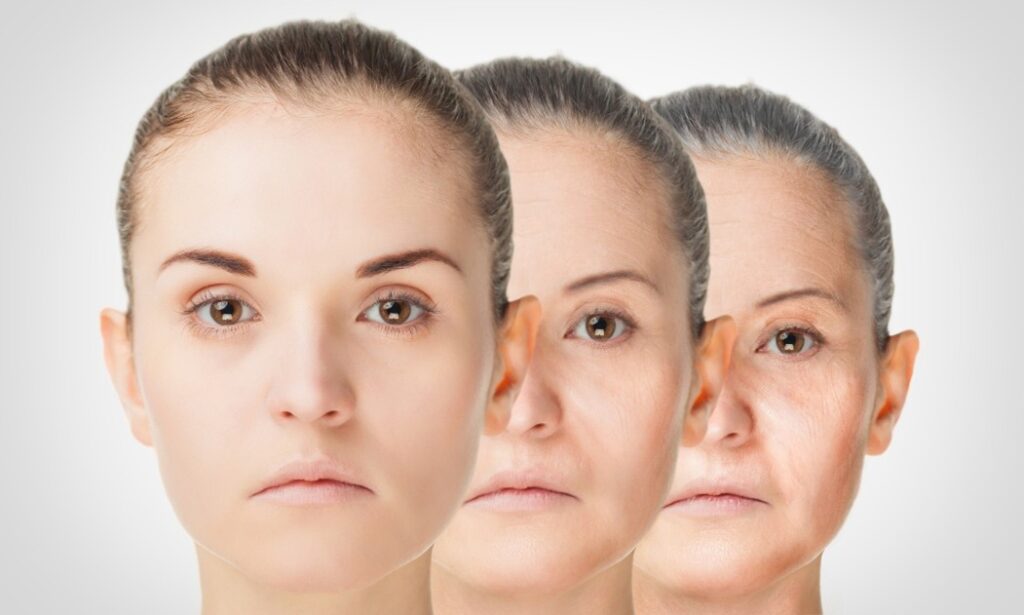
Can dermal fillers work effectively for a 70 year old woman? Clinical outcomes indicate excellent results when expectations remain realistic. In structural rejuvenation for 70 year old skin on the face, chasing isolated deep wrinkles with superficial gel lines often looks artificial.
Instead, expert practitioners prioritize rebuilding foundational bone support at the temples and mid-face deep fat pads. Combining deep structural biostimulators with light surface skin boosters offers a balanced, non-surgical pathway to restore volume and elasticity.
Liquid Rhinoplasty (Non-Surgical Nose Reshaping)
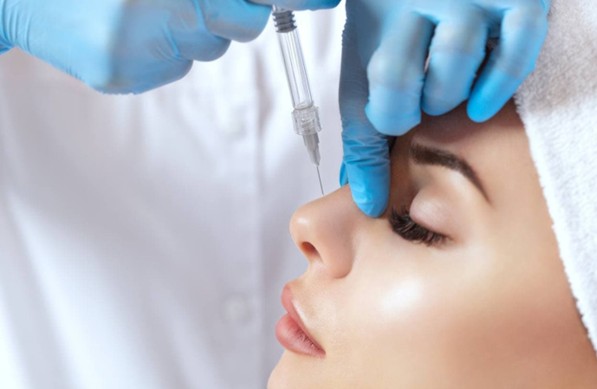
Liquid rhinoplasty uses carefully placed filler to smooth dorsal humps, lift the nasal tip, or correct minor asymmetries. It has become popular precisely because it is reversible, requires no anesthesia, and produces immediate visible results.
That said—the nose is a vascularly complex area. The risk of vascular occlusion is higher here than in most other zones, and the consequences of a serious complication can be severe. Liquid rhinoplasty should only be performed by a board-certified dermatologist or plastic surgeon with specific experience in nasal anatomy.
Technical Innovations in Product Delivery
Microcannulas and Tissue Trauma Alleviation
Advanced injection methods have drastically altered the modern patient experience. Experienced injectors are steadily moving away from traditional sharp metal needles. Instead, they choose blunt-tipped microcannulas for deep facial treatments.
- Sharp Needle: Slices through tissue layers, maintaining a higher relative risk of vascular puncture.
- Blunt Cannula: Slides safely around deep structural configurations, reducing native vessel occlusion risks by over 70%.
A flexible microcannula enters the skin through a single tiny opening. It glides smoothly through subcutaneous spaces without cutting deep blood vessels. Scientific evaluations indicate this approach reduces vascular complications by more than 70%. Patients benefit from less bruising and a much faster recovery.
Real-Time Ultrasound-Guided Injection Protocols
High-frequency ultrasound imaging is setting a new safety standard for top practices. Human blood vessels do not follow the exact same path in every face. Consequently, ultrasound devices allow providers to map a patient’s unique arterial networks in real time. Seeing these structures helps injectors guide the cannula with exceptional precision. This technology is incredibly valuable for high-risk revisions or secondary treatments.
Safety Paradigms, Risk Mitigation, and Systemic Factors
Evaluating Dermal Fillers with Autoimmune Conditions
Can you safely receive dermal fillers if you have an active autoimmune disease? This critical question requires a careful, personalized medical review. Having an autoimmune condition does not completely rule out cosmetic treatments. However, it does require clear guidance from a specialist.
When the immune system is highly active, it may identify foreign cosmetic gels as an immediate threat. This reaction can trigger delayed swelling, hard nodules, or inflammatory granulomas around the injection sites. Patients should only proceed with treatments when their health condition is stable and in full remission.
Mapping the Anatomical Danger Zones
Every cosmetic injection carries some risk, but certain facial zones are more dangerous. The glabella (the skin between the eyebrows) and the nose are the highest-risk areas. These specific locations contain a dense web of blood vessels connected to the ophthalmic artery.
Accidentally injecting gel into these vessels can block blood flow. This blockage can lead to localized skin tissue death or vision loss. To protect patient safety, liquid rhinoplasty requires deep knowledge of nasal anatomy. Patients must select highly qualified providers who keep reversing enzymes ready for immediate use.
The Financial Investment: Commercial Pricing Realities
How much do 3 syringes of filler cost? Financial outlays vary widely based on your geographic location, your injector’s specialized medical credentials, and the chosen product formula.
On average in the United States, standard hyaluronic acid formulas cost between $500 and $1,000 per single syringe. Consequently, a comprehensive multi-zone treatment plan requiring 3 syringes typically totals between $1,500 and $3,000.
Premium biostimulatory options like Sculptra or Radiesse are often priced by the vial or clinical session, which may run slightly higher.
Frequently Asked Questions
What are the new fillers for 2026?
The year 2026 highlights a significant shift toward biostimulatory formulations like PLLA and specialized polynucleotides. Rather than simply expanding skin tissue, these options stimulate the body’s natural collagen production. Additionally, new hyaluronic acid formulas use smart cross-linking to ensure natural movement.
Are fillers losing popularity?
No, facial fillers are not losing popularity, but consumer preferences are changing. Traditional, overfilled aesthetics are declining in demand. Instead, patients prefer subtle tweaks, micro-dosing, and treatments that focus on overall skin health.
Does dermal filler expand after injection?
Hyaluronic acid fillers naturally draw in water, which can cause minor expansion over the first two weeks. However, modern low-density formulas are designed to limit this effect. This improvement helps prevent late-stage puffiness in delicate areas like the under-eyes.
What is the downside of facial fillers?
The primary downsides include temporary side effects like bruising, localized swelling, and tenderness. Rare but serious risks include asymmetry, hard nodules, or accidental blood vessel blockage. Using ultrasound guidance and choosing an experienced provider helps minimize these complications.
What is the best filler for older skin?
Biostimulatory choices, such as Sculptra or Radiesse, are often ideal for older skin. These products restore deep structural support and improve thinning skin by boosting natural collagen production. Light hyaluronic acid options also work well to smooth fine surface lines.
What is the riskiest place for fillers?
The nose, glabella, and tear troughs are the highest-risk areas on the face. These zones feature complex vascular networks that connect to major arteries. Because of this risk, injections in these areas require advanced medical training and precise technique.