What Is an Exosome Booster? Benefits, How It Works, and Expectations

Skin aging often feels inevitable. We notice dryness, dullness, or fine lines appearing earlier than expected. Topical creams sometimes fail to penetrate deep enough. You might feel stuck between expensive procedures that hurt and serums that do little more than moisturize.
This gap in skincare has opened a new door. It involves exosomes. These are not simple hydrators. They are biological messengers and they help cells communicate better.
Exosome skin boosters now dominate mainstream aesthetic conversations. Therefore, understanding the science proves helpful before booking any treatment. This guide explains realistic expectations and current clinical data.
What Is an Exosome Booster?
An exosome booster is an advanced regenerative skin treatment. It utilizes tiny, cell-derived particles called exosomes. These microscopic vesicles support the natural tissue repair process. They measure just 30 to 150 nanometers in diameter. Consequently, they move through skin tissue quite easily. Conventional skincare ingredients simply cannot penetrate this deeply.
Exosomes are not actual living cells. Instead, they are extracellular vesicles. Your body naturally releases these small membrane-bound sacs. Each vesicle carries a specific biological payload. This cargo includes proteins, growth factors, and messenger RNA. Think of them as targeted biological signals. One cell sends these dispatches to another. This communication coordinates cellular repair and inflammation control.
External exosome boosters deliver these exact signals topically. The goal involves supplementing declining natural exosome activity. Natural cellular communication drops significantly as tissue ages. This decline often coincides with reduced collagen output. Slower wound healing also becomes more apparent.
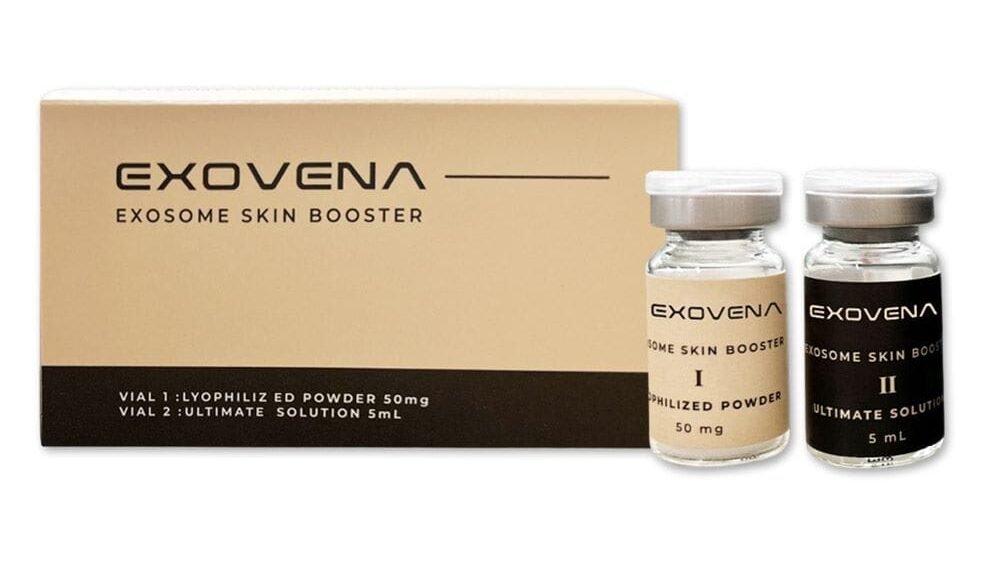
Clinical-grade products offer highly concentrated treatments. For instance, EXOVENA contains over six billion extracellular vesicles. Similarly, Dermalogica Exo Booster delivers ten billion lactobacillus exosomes. Retail options like the medicube one day exosome shot provide at-home maintenance.
The Science Behind Exosomes in Skin Care
Cell-to-cell communication sits at the heart of this therapy. Normally, skin sustains damage from ultraviolet exposure or aging. Nearby fibroblasts immediately signal for structural repair. They release growth factors to recruit collagen-producing cells. Exosomes play a central coordinating role here.
Their biological cargo makes them particularly interesting for aesthetics. A single exosome may carry various active components.
- Growth factors (EGF, FGF, VEGF) that stimulate tissue regeneration
- MicroRNA and mRNA sequences that influence gene expression in recipient cells
- Lipids and proteins that support membrane integrity and barrier function
- Circular RNA and long noncoding RNA that regulate cellular activity
- Anti-inflammatory mediators that reduce post-treatment redness and sensitivity.
External exosomes appear easily absorbed by dermal fibroblasts. This uptake can trigger new elastin synthesis. It may also accelerate overall cellular turnover.
A recent retrospective study confirms these clinical observations. Researchers analyzed data collected between January and March 2024. They followed forty patients utilizing exosome boosters with microneedling. The protocol required four sessions spaced exactly two weeks apart.
Final results showed an 87.5 percent overall satisfaction rate. Furthermore, 85 percent scored as improved on aesthetic scales. Adverse events remained exceptionally mild and transient.
Key Benefits of Exosome Skin Boosters
Current formulation science points to several distinct clinical benefits.
Collagen and Elastin Stimulation
Exosomes carry specific growth factors. These signal fibroblasts to increase collagen production. Multiple treatments may visibly reduce fine surface lines. They can also restore youthful density to thinning skin.
Deep Cellular Hydration
Surface moisturizers sit on the skin barrier. Conversely, clinical exosome boosters reach the dermis directly. Products often pair exosome technology with pure hyaluronic acid. Together, these ingredients may significantly improve structural water retention.
Skin Tone and Pigmentation Improvement
Some formulations include glutathione and vitamin C, both of which may support melanin regulation. Users often report a brighter, more even complexion after a full treatment course — particularly in areas affected by hyperpigmentation or sun damage.
Pore Refinement and Texture Smoothing
Exosome activity in the upper dermis appears to support the skin’s extracellular matrix. As collagen density improves and inflammation reduces, pore appearance tends to diminish and surface texture becomes noticeably smoother.
Accelerated Post-Procedure Recovery
Exosome boosters show massive value after laser treatments. Chemical peels and microneedling create controlled skin injury. Applying exosomes immediately afterward may shorten overall downtime. It can also enhance the final aesthetic tissue quality.
Anti-Inflammatory Properties
Several exosome preparations carry anti-inflammatory cargo that may calm sensitized or reactive skin. Cytokines responsible for redness appear to be downregulated following exosome application. This makes them potentially valuable for acne-prone, rosacea-affected, or post-procedure skin types.
Comparing Treatments: Exosomes vs. Alternatives
Understanding these comparisons helps clarify specific treatment timelines.
Exosome vs. PRP
Platelet-Rich Plasma draws growth factors from your own blood. Exosomes offer a standardized, concentrated payload instead. Individual PRP quality depends heavily on personal platelet counts. Exosome products offer a highly reproducible clinical dose.
Exosome vs. Hyaluronic Acid
Traditional HA boosters temporarily plump the dermal layer. They bind water molecules for fast hydration. Exosome boosters target long-term tissue regeneration rather than volume. They rebuild structural capacity slowly over time.
Exosome vs. Polynucleotides
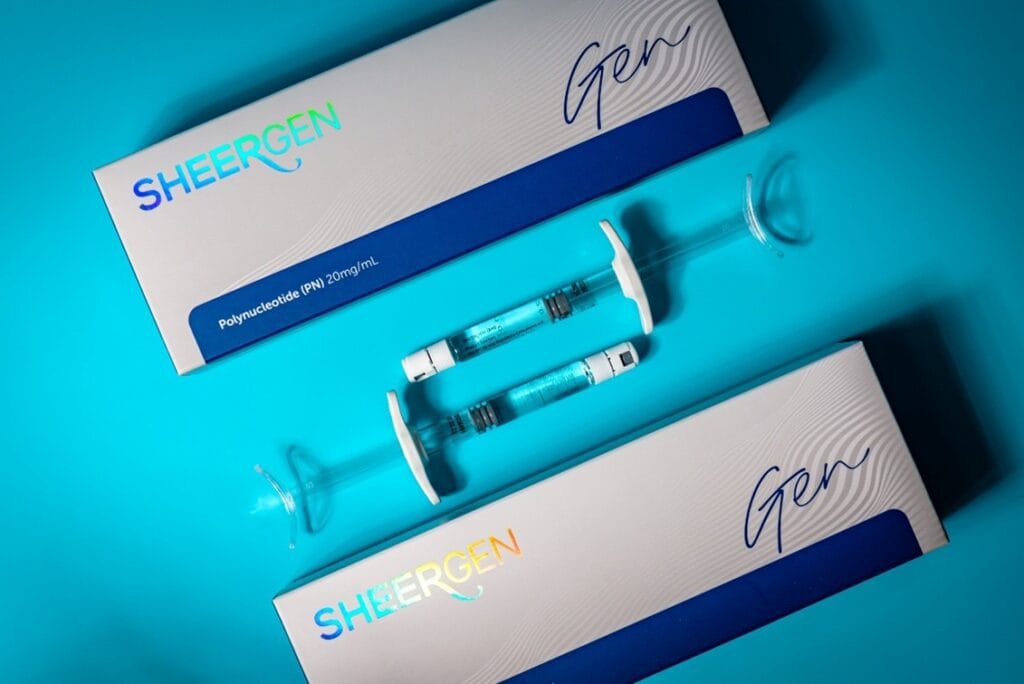
Polynucleotides (PDRN, Nucleofill) stimulate fibroblasts through DNA fragment therapy. Like exosomes, they support tissue repair and are not volumizing. The mechanisms differ: polynucleotides act primarily on fibroblast receptors, while exosomes influence a broader range of cellular processes — including immune modulation, vascular support, and epidermal repair. For severely damaged or post-inflammatory skin, exosomes may provide a wider scope of regeneration.
Exosome vs. Vitamin-Based Mesotherapy
Mesotherapy cocktails of vitamins, minerals, and amino acids offer surface-level nourishment and short-term hydration. They do not affect collagen production or fibroblast activity in a meaningful structural way. Exosome skin boosters act on cellular signaling, helping skin repair itself from the inside. They influence dermal structure, firmness, and healing capacity — not just surface radiance.
Exosome vs. Botox
Botox or Botulinum Toxin Type A targets muscle movement to relax expression lines. Exosome skin boosters do not affect muscle function. They work differently, target different concerns, and are not substitutes for each other. Some practitioners use them together — Botox for dynamic lines, exosomes for overall skin quality — though these remain distinct treatment categories.
How an Exosome Booster Treatment Works
Simply placing exosomes on the skin’s surface usually yields limited results. Penetration depth is critical to their efficacy. Professional delivery into the dermal layer changes the outcome significantly. Clinical applications follow a very consistent professional structure.
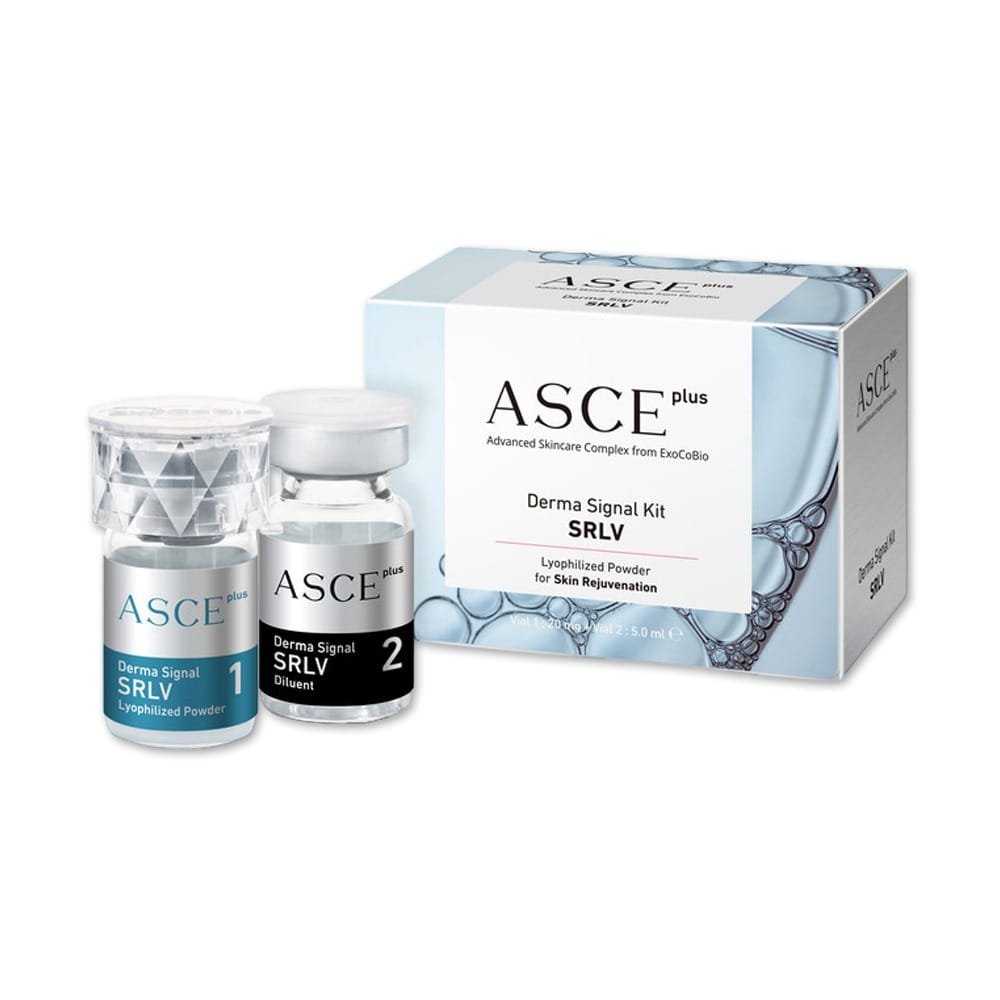
Step 1 — Preparation: A trained professional mixes the lyophilized powder with the activating solution. Gently swirl to dissolve; vigorous shaking may damage the delicate vesicle structures. This step must happen immediately before use — reconstituted solutions lose potency quickly.
Step 2 — Application: Two primary delivery methods are used:
- Microneedling (MTS): Micro-channels created by a dermal pen or roller allow the exosome formula to penetrate substantially deeper than topical application alone. The solution is applied immediately after the needling pass.
- Mesotherapy: Fine-needle injections deposit the fluid into the mid-dermis at multiple points across the treatment area.
Step 3 — Absorption: Cells absorb the exosomes rapidly. They begin translating the genetic information carried inside — triggering collagen synthesis pathways, calming immune responses, and initiating tissue remodeling.
Step 4 — Aftercare: Clients should avoid direct sun exposure and aggressive actives (strong acids, retinoids) for 24 to 48 hours post-treatment. Consistent hydration supports the regenerative process.
A standard initial course involves exactly four sessions. These appointments are spaced two weeks apart. Visible changes often emerge within two weeks.
Combining Exosome Skin Boosters with Microneedling and Laser
Exosome skin boosters work particularly well alongside ablative or minimally invasive procedures. The rationale is straightforward: microneedling and laser treatments create controlled skin injury, triggering a wound-healing response. Introducing exosomes at this moment may amplify and accelerate that response.
With Microneedling: The micro-channels created by a dermal pen allow exosomes to penetrate significantly deeper than topical application alone. Clinical observations suggest this combination produces meaningful improvements in skin texture, tone, and firmness — often outperforming either treatment individually.
With Laser Resurfacing: Post-laser skin is particularly receptive. Exosomes may reduce the duration of the inflammatory phase, shorten redness, and support faster epidermal recovery. Some clinicians apply exosome preparations immediately after fractional laser to support tissue remodeling through the recovery period.
With Chemical Peels: A freshly treated skin barrier is more permeable. Exosomes applied post-peel may support regeneration while the skin cycles through its renewal phase.
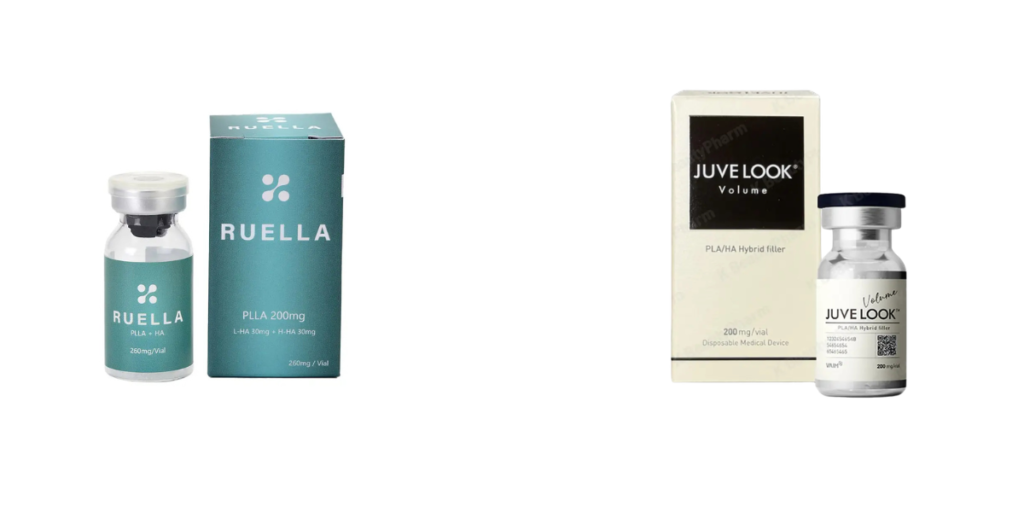
With HA Fillers: Fillers restore lost volume. Exosome skin boosters improve tissue quality. Using both together addresses structural and textural concerns simultaneously — a comprehensive approach that neither treatment achieves alone.
Combination protocols should always be managed by trained professionals. Timing, product concentration, and delivery depth all affect outcomes, and incorrect application can undermine results.
Who Is the Ideal Candidate?
Not every client requires exosome therapy. Identifying the right candidate improves satisfaction and optimizes outcomes.
Exosome skin boosters appropriate for:
- Individuals noticing early signs of aging — fine lines, dullness, loss of firmness
- People with sensitive skin who cannot tolerate strong acids or high-concentration retinoids
- Those recovering from aggressive procedures such as CO2 laser or deep chemical peels
- Clients concerned with acne scarring or uneven skin texture
- Anyone seeking visible skin improvement without added volume
Standard contraindications include:
- Pregnancy or breastfeeding
- Active skin infections or open wounds in the treatment area
- Autoimmune skin conditions — consult a specialist before proceeding
- History of abnormal scarring (keloids)
A thorough consultation and skin assessment should precede any treatment decision.
Reviewing Exosome Skin Booster Before and After Results
Realistic expectations come from actual clinical data, not promotional photography.
A retrospective study — drawing on patient data collected between January and March 2024 and subsequently published in 2025 — followed 40 patients who received exosome skin boosters combined with microneedling. Physicians administered treatment every two weeks for a total of four sessions. Each patient was then followed for eight weeks after the final treatment.
The results showed an overall patient satisfaction rate of 87.5%, with 85% of patients scoring “improved or greater” on the Global Aesthetic Improvement Scale (GAIS). Intention to repeat treatment stood at 82%, and willingness to recommend the protocol reached 85%. The mean patient age was 41.2 years. Adverse events were transient and mild, with no serious adverse reactions reported.
A separate 2026 study published in MDPI examined laser-assisted exosome delivery and concluded that exosome-based skin boosters may serve as a “safe and well-tolerated biological complement to laser therapy for short-term rejuvenation.”
Across studies, the improvements most consistently reported include: visible reduction in fine lines, improved skin luminosity, more even skin tone, reduced pore visibility, and improved elasticity. These outcomes align with what one would expect from increased collagen density, improved dermal hydration, and reduced chronic skin inflammation.
How Long Results Last
Results from these treatments generally last six to twelve months. Several key factors heavily influence this overall longevity.
Completing the full four-session course is absolutely critical. Patients stopping early see faster degradation of results. Combination treatments with microneedling also extend visible structural changes. Finally, daily sun protection helps maintain the newly formed collagen.
Exosome Skin Booster Cost and Safety
Patients often ask about the total exosome skin booster cost. Professional clinical sessions typically cost between $59 and $295. Retail ampoules cost significantly less, usually around $25 to $90.
Current literature suggests a highly favorable safety profile. Clinical studies primarily report mild, temporary injection site redness. These minor issues typically resolve within forty-eight hours. Plant-derived exosomes are generally considered completely non-immunogenic.
Frequently Asked Questions
What is an exosome booster?
It is a treatment containing nano-sized extracellular vesicles. These vesicles carry growth factors that stimulate collagen production. They support cellular repair and improve overall skin quality.
How long does an exosome skin booster last?
Visible results typically last six to twelve months. Longevity heavily depends on the total number of sessions. Consistent maintenance treatments can extend these regenerative effects further.
Which is better — PRP or exosomes?
Both use biological signaling to stimulate skin repair, but the mechanisms differ. PRP uses growth factors from the patient’s own blood, which varies with individual platelet counts. Exosome skin boosters provide a standardized, reproducible concentration of extracellular vesicles per dose. Exosome products offer greater consistency; PRP has a longer clinical track record. Neither is universally superior — the better choice depends on individual skin concerns and clinical assessment.
Do exosomes actually work for skin?
Current clinical evidence suggests they improve texture and firmness. A recent study reported high patient satisfaction using microneedling protocols. The clinical evidence base continues developing rapidly.
Exosome Booster Serums vs. Clinical-Grade Injectables
The market now includes both over-the-counter exosome serums and professional-grade injectables. The distinction matters considerably.
Topical Serums use plant-derived or bacterial exosomes and are applied to the skin surface — often after microneedling or similar treatments that improve penetration. Their exosome concentration is typically lower than injectable formulations, and skin penetration without a delivery device remains limited by the intact epidermal barrier. They offer useful supportive benefits, particularly post-procedure, but are unlikely to produce the same depth of effect as injected products.
Clinical Injectables (such as EXOVENA and ASCE+) are professional-use formulations delivered directly into the dermis. EXOVENA contains over 6 billion extracellular vesicle particles per treatment set. The biological activity at this concentration is substantially greater, and the results are correspondingly more pronounced.
Practical takeaway: Topical exosome serums are a reasonable addition to a home skincare routine, especially post-procedure. For meaningful skin regeneration, clinical-grade injectables administered by a trained professional represent the higher-evidence option.
Disclaimer: This content is for informational purposes only. It does not constitute medical advice. Consult a licensed dermatologist or aesthetician before starting any new treatment.