BOTOX VS FILLER: WHICH ONE IS RIGHT FOR YOU

Thinking about refreshing your appearance with injectables? You’re not alone.
Millions of people choose Botox or dermal fillers each year. Botox and dermal fillers are the two most popular cosmetic injectables in the world. Both can reduce visible signs of aging. Yet they work in completely different ways.
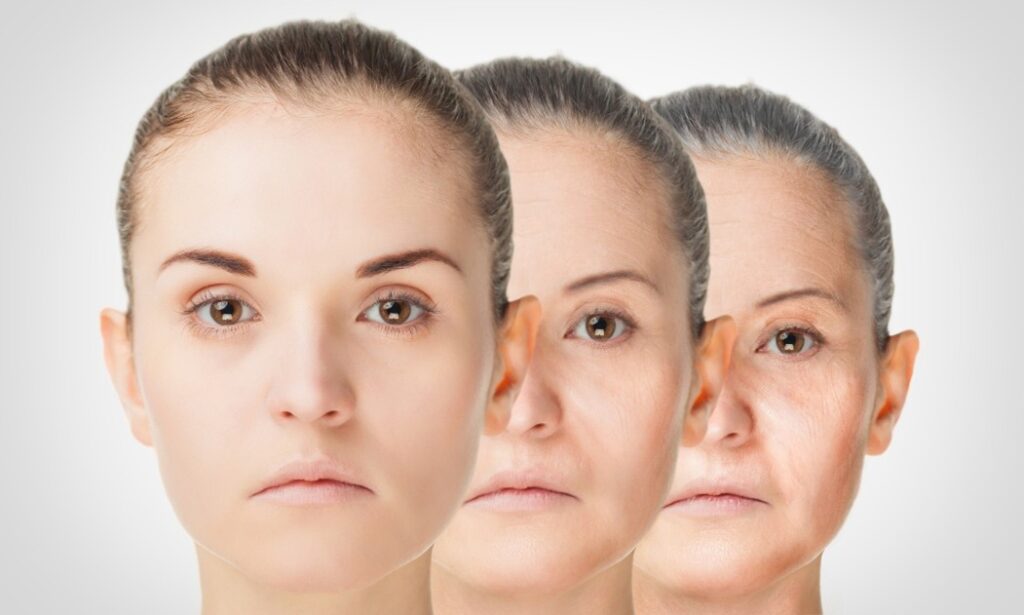
Botox relaxes facial muscles to smooth expression-driven wrinkles. Dermal fillers restore volume lost to aging. Understanding this core difference can help you choose the right anti-aging treatment — or learn why many patients benefit from both.
This guide covers how each treatment works, which areas each targets, how long results last, what side effects to expect, and how much each costs. You will also find answers to the most common questions people ask before booking a consultation.
|
Quick Answer: Botox treats dynamic wrinkles caused by muscle movement. Dermal fillers treat static wrinkles and volume loss. Both are non-surgical, minimally invasive, and FDA approved for cosmetic use. |
What Is Botox, and How Does It Work?
Botox is the brand name for onabotulinumtoxinA, a purified protein derived from the bacterium Clostridium botulinum. In tiny, regulated doses, it temporarily blocks nerve signals to targeted facial muscles. This prevents those muscles from contracting as forcefully.
When muscles stop contracting, the skin above them relaxes. Expression lines — the creases formed by repeated facial movements — soften or disappear.
Other FDA-approved botulinum toxin brands include Dysport, Xeomin, and Jeuveau, Botulax, Nabota, Innotox. These all work through the same mechanism. Botox is simply the best-known name.
How Botox Blocks the Signal Between Nerves and Muscles
Your brain sends messages to your facial muscles through motor neurons. To move a muscle, the neuron releases a chemical called acetylcholine at the junction between the nerve and muscle. Acetylcholine binds to receptors on the muscle fiber. The muscle then contracts — squeezing or tightening in response.
This is completely normal. Every time you smile, squint, or frown, acetylcholine triggers those contractions. Over years of repeated movement, the skin above those muscles folds in the same places again and again. That is how crow’s feet, glabellar lines, and forehead lines form and deepen.
Botox interrupts this process at the source. The toxin binds to the nerve ending and blocks it from releasing acetylcholine. Without that chemical signal, the muscle never receives the instruction to contract. The muscle stays relaxed. The skin above it stops folding repeatedly. As a result, existing expression lines soften and new ones are less likely to form.
The effect is temporary. Over 3–4 months, the nerve gradually builds new pathways to release acetylcholine again. Muscle movement slowly returns. That is why Botox requires repeat treatments to maintain results.
What Can Botox Treat?
Botox targets dynamic wrinkles — lines that appear or deepen during facial movement. The most commonly treated areas include:
- Forehead lines from raising the eyebrows
- Frown lines (the “11” lines) between the eyebrows
- Crow’s feet around the outer corners of the eyes
- Bunny lines on the sides of the nose
- Lip flip for subtle upper-lip enhancement
- Masseter/jawline for teeth grinding and jaw slimming
- Chin dimpling — smooths an uneven chin texture
Botox will not improve static wrinkles — those visible even when the face is at rest. For those, fillers are the more appropriate choice.
Beyond cosmetic use, Botox also has medical applications. These include treatment for chronic migraines, excessive sweating (hyperhidrosis), overactive bladder, and muscle spasticity.
Key takeaway: Botox relaxes muscles to reduce expression lines. It works on the upper face and areas where movement causes wrinkles.
How Long Does Botox Last?
Results typically appear within 3 to 7 days of injection. Full effect usually sets in by day 10. Most people see results last 3 to 4 months. Repeated treatments are necessary to maintain results over time.
Higher doses may extend duration slightly. Some patients who receive Botox consistently over years report that results last longer as muscles gradually weaken with repeated relaxation.
How Much Does Botox Cost?
Botox is priced by unit. Each unit costs approximately $10 to $15. The average forehead and eye area requires 25 to 50 units. The American Society of Plastic Surgeons reports an average session cost of around $435 to $528. Costs vary by provider, location, and the number of areas treated.
What Are Dermal Fillers, and How Do They Work?
Dermal fillers are gel-like substances injected beneath the skin’s surface. Unlike Botox, fillers do not affect muscles or nerves. Instead, they physically add volume to areas where tissue has thinned due to aging.
The most widely used filler ingredient is hyaluronic acid (HA), a sugar molecule that occurs naturally in the body. HA attracts water molecules, providing immediate plumping and hydration.
Hyaluronic acid fillers can be dissolved with an enzyme called hyaluronidase if the result is unsatisfactory. This reversibility is a key advantage over other filler types.
Types of Dermal Fillers
- Hyaluronic acid (HA) — Juvederm, Rejeunesse, Restylane, Rejenovue. Most popular, reversible.
- Calcium hydroxylapatite — Radiesse. Heavier filler for deeper lines and contouring.
- Poly-L-lactic acid (PLLA) — Olidia PLLA, Ruella, AestheFill, Sculptra. Stimulates collagen; results build over months.
- Polymethyl-methacrylate (PMMA) — Bellafill. Semi-permanent; lasts up to 5 years.
Each filler type suits different needs. Your provider can recommend the best option for your goals.
What Areas Do Dermal Fillers Treat Best?
Fillers are ideal for static wrinkles and areas with volume loss. They also enhance features and contours.
- Lips — adds volume, shape, and definition
- Cheeks — restores lost fullness and lifts sagging areas
- Nasolabial folds (smile lines) — softens deep creases around the mouth
- Marionette lines — fills lines from mouth corners toward the chin
- Under-eye hollows (tear troughs) — reduces shadows and tired appearance
- Jawline and chin — defines and sculpts facial contours
- Temples — fills sunken areas for a more youthful profile
- Hands — restores volume and reduces visible aging signs
Key takeaway: Dermal fillers restore volume where aging has caused fat and collagen loss. They treat the mid and lower face most effectively.
How Long Do Fillers Last?
Results are visible immediately after injection. Some swelling may mask the final outcome for a few days. Duration varies by filler type and treatment area:
- Hyaluronic acid fillers: 6 to 12 months for most areas, up to 18 months for some
- Calcium hydroxylapatite (Radiesse): 12 to 18 months
- Poly-L-lactic acid (Sculptra): up to 2 years with gradual collagen stimulation
- PMMA (Bellafill): up to 5 years — considered semi-permanent
How Much Do Fillers Cost?
Fillers are priced per syringe. Hyaluronic acid fillers average around $682 to $715 per syringe. Non-hyaluronic acid fillers average around $900 per syringe. Most patients need more than one syringe per session, making fillers more expensive per treatment than Botox. However, their longer duration may offer better value over time.
Botox vs. Filler: Side-by-Side Comparison
The table below summarizes the key differences between Botox and dermal fillers to help you evaluate your options clearly.
|
Feature |
Botox |
Dermal Fillers |
|
How It Works |
Relaxes muscles via nerve block |
Adds volume beneath the skin |
|
Primary Target |
Dynamic wrinkles (expression lines) |
Static wrinkles and volume loss |
|
Best Areas |
Forehead, crow’s feet, frown lines |
Lips, cheeks, nasolabial folds, under-eyes |
|
Results Appear |
3–7 days after injection |
Immediately after treatment |
|
Duration |
3–4 months on average |
6 months to 2 years depending on type |
|
Average Cost |
~$435–$528 per session |
~$682–$900 per syringe |
|
Reversible? |
Not immediately; fades with time |
Yes — enzyme dissolves HA fillers quickly |
|
Pain Level |
Mild (quick pinch) |
Mild to moderate (numbing applied first) |
|
Session Time |
10–15 minutes |
30–60 minutes |
|
FDA Approved For |
Adults 18+ (cosmetic use) |
Adults 22+ (cosmetic use) |
Botox or Filler? A Guide by Treatment Area
Choosing between Botox and fillers often depends on which part of the face you want to address. Here is a practical breakdown of which treatment tends to work best by area.
Forehead Lines
Botox is typically the first-line treatment for forehead lines. These horizontal creases form when you raise your eyebrows repeatedly. Relaxing the underlying frontalis muscle smooths the skin effectively.
For very deep, etched-in lines that remain visible at rest, a small amount of filler may complement Botox results. However, filler alone in the forehead carries a higher risk profile and should only be placed by highly experienced injectors.
Frown Lines (11 Lines / Glabellar Lines)
The vertical lines between the eyebrows — often called “11 lines” — are among the most popular targets for Botox. These form from years of squinting and frowning. Botox relaxes the corrugator and procerus muscles, softening or eliminating these lines.
Deep, persistent 11 lines that remain visible at rest may also benefit from a small amount of HA filler in addition to Botox.
Crow’s Feet
Crow’s feet around the outer eyes respond very well to Botox. These fine lines form from smiling and squinting, making them classic dynamic wrinkles. Most patients see noticeable improvement within a week of treatment.
Under-Eye Hollows
The tear trough — the hollow between the lower eyelid and cheek — is one of the most technically demanding filler treatment sites. Hyaluronic acid filler placed carefully beneath the eye can reduce shadowing and a tired appearance. This area requires an injector with deep anatomical knowledge due to proximity to important blood vessels.
Lips
Fillers are the standard choice for lip enhancement. Hyaluronic acid filler adds volume, defines the lip border, and improves symmetry. Results are immediate. Botox can also be used for a “lip flip” — a small injection above the upper lip that causes it to roll slightly outward, creating the appearance of more fullness without adding volume.
Nasolabial Folds and Smile Lines
These creases run from the sides of the nose to the corners of the mouth. They are primarily caused by volume loss in the midface, not muscle movement. Fillers are the more appropriate treatment. Restoring cheek volume can also indirectly lift and reduce nasolabial fold depth.
Jawline and Chin
Fillers can define and sculpt the jawline and chin, improving overall facial balance. Botox injected into the masseter muscles can slim a widened jaw and also help with TMJ pain and teeth grinding. Many patients combine both for a comprehensive lower-face approach.
Neck Lines
Fine horizontal neck lines (necklace lines) may respond to small doses of Botox placed in the platysma muscle bands. Fillers can also smooth superficial neck lines in some cases. These are considered advanced treatment areas requiring a skilled provider.
Botox vs. Filler Side Effects: What to Know Before You Treat
Both treatments are considered safe when performed by trained professionals. Side effects are usually mild and temporary. Knowing what to expect helps you make an informed decision.
Botox Side Effects
Common and temporary side effects include:
- Mild bruising or swelling at the injection site
- Headache, typically resolving within 24 to 48 hours
- Temporary eyelid or brow drooping (ptosis) — rare with proper technique
- Flu-like symptoms — uncommon
Serious side effects are rare but can occur if Botox spreads beyond the treatment area. These may include difficulty swallowing, speaking, or breathing. Anyone experiencing these symptoms should seek immediate medical attention.
Research indicates that about 16% of patients receiving upper-face botulinum toxin injections report some side effect. The most common is headache (6.3%), followed by bruising or swelling (3.8%) and neuromuscular effects like brow drooping (3.3%).
Dermal Filler Side Effects
Mild and common side effects include:
- Swelling, redness, or tenderness at the injection site (1 to 2 weeks)
- Bruising
- Temporary lumps or firmness under the skin
- Itching or rash — uncommon
A more serious but rare risk is vascular occlusion — accidental injection into a blood vessel that may restrict blood flow to nearby tissue. This is more likely with unqualified or undertrained injectors.
The nose and eye areas carry elevated risk and require particular expertise. Hyaluronic acid fillers offer an advantage here: if a vascular complication occurs, hyaluronidase can rapidly dissolve the filler.
Only receive dermal filler from a licensed healthcare professional using FDA-approved products in a medical setting. Avoid unregulated products sold directly to consumers.
How to Choose Between Botox and Fillers
There is no single correct answer for everyone. The right choice depends on your skin concerns, desired results, and long-term goals. Here is a practical framework.
Choose Botox If You Want To:
- Reduce wrinkles caused by facial expressions
- Prevent new fine lines from forming over time
- Smooth forehead lines, crow’s feet, or frown lines
- Slim the jawline or treat teeth grinding
- A faster procedure with minimal downtime
Choose Fillers If You Want To:
- Restore volume lost through aging
- Plump and define lips
- Lift or contour cheeks and chin
- Smooth smile lines, marionette lines, or tear troughs
- Results that last longer per treatment
Consider Both If You Want To:
- Address dynamic and static wrinkles simultaneously
- Achieve comprehensive facial rejuvenation (“liquid facelift”)
- Target concerns in both the upper and lower face
- Maintain and build long-term anti-aging results
Many patients find that combining Botox and fillers delivers the most balanced, natural-looking results. Botox prevents future wrinkle formation while fillers restore the underlying volume that gives skin a youthful structure.
Botox vs. Filler by Age: What May Work Best
Skin concerns evolve with age. The most effective treatment approach often shifts across decades.
In Your 20s
Preventive Botox — sometimes called “baby Botox” — uses smaller doses to limit muscle movement before deep wrinkles form. This approach may delay the progression of expression lines. Volume loss is generally not yet a concern at this age. Filler use in the 20s is less common and usually limited to lip enhancement or subtle contouring.
In Your 30s
Dynamic wrinkles become more pronounced, and early volume loss may begin. A combination approach often makes sense. Botox targets forehead lines and crow’s feet. Fillers can address early volume loss in the cheeks and under-eyes. Many patients begin a regular treatment schedule in this decade.
In Your 40s and Beyond
Significant volume loss, deeper static wrinkles, and skin laxity become more evident. Fillers play a larger role at this stage. Hyaluronic acid fillers can restore midface fullness and soften nasolabial folds. Botox continues to smooth expression lines. Combining both provides comprehensive anti-aging support without surgery.
Common Questions About Botox and Fillers
Which Is Better for You — Botox or Fillers?
Neither is universally better. They serve different purposes. Botox targets muscle-driven wrinkles. Fillers target volume loss and static wrinkles. The right choice depends on what you want to address. Many people benefit from both treatments used together.
Which Is Safer — Botox or Fillers?
Both carry low risk when administered by a licensed, trained professional. Botox has a longer safety record and more predictable risk profile. Fillers carry a slightly higher risk of serious complications like vascular occlusion, particularly in high-risk areas. Hyaluronic acid fillers offer the added safety of reversibility. Choosing a qualified injector is the single most important safety factor.
Is Botox or Filler Better for Smile Lines?
Fillers are typically more effective for nasolabial folds (smile lines). These creases form primarily from volume loss in the midface, not from muscle movement. Hyaluronic acid filler placed in the cheeks and directly in the fold can soften them significantly. Botox alone will not effectively address this area.
Is Botox or Filler Better for 11 Lines?
Botox is the first-line treatment for 11 lines (glabellar lines between the brows). These form from repeated frowning and squinting. Relaxing the corrugator and procerus muscles reduces their depth. For very deep lines visible at rest, a small amount of filler may be added alongside Botox for best results.
Is Botox or Filler Better for the Jawline?
Both treatments can enhance the jawline but in different ways. Filler adds structure and definition to the jawline itself. Botox injected into the masseter muscle slims a widened jaw and may relieve TMJ tension. Many patients combine both for a more contoured, defined lower face.
What Happens After 20 Years of Botox?
Long-term Botox use may lead to mild atrophy (thinning) of repeatedly treated muscles. In some cases this can actually enhance results by further reducing wrinkle formation. Research does not indicate serious long-term harms from extended Botox use in cosmetic doses. However, the face naturally continues to age, so volume loss becomes an increasing concern over time. Many long-term Botox users add fillers to their routine as they age.
Why Are Gen Z Saying No to Botox?
Younger generations increasingly question early cosmetic intervention, influenced by natural beauty trends and concerns about long-term effects. Some Gen Z individuals express preference for skin care routines, sunscreen use, and non-injectable approaches. Others choose preventive Botox. It reflects a broader cultural shift toward autonomy over personal aging choices rather than a specific safety concern.
How to Choose a Safe Provider
The skill and experience of your injector matters far more than the product used. Here is what to look for when selecting a provider:
- Board certification in dermatology, plastic surgery, or a related specialty
- Documented training in facial anatomy and injectable techniques
- A medical office setting with emergency protocols in place
- Transparent consultation that discusses realistic outcomes and risks
- Before-and-after photos from actual patients
Avoid receiving treatments at non-medical venues, from unlicensed practitioners, or with products that are not FDA approved. If a complication occurs, you want a professional who can manage it appropriately.
FAQ: Botox vs. Filler
Can Botox and fillers be used together in the same session?
Yes. Combining Botox and fillers in a single visit is safe and very common. This approach addresses both dynamic wrinkles and volume loss simultaneously, often called a “liquid facelift.” Your provider may choose to treat different areas in the same appointment for more comprehensive results.
Does Botox or filler hurt more?
Most patients describe Botox as a mild, quick pinch. Filler injections tend to be slightly more uncomfortable because they are placed deeper and the procedure takes longer. Providers typically apply a topical numbing cream before filler treatments, and many modern fillers contain lidocaine to reduce discomfort.
Which treatment is more expensive — Botox or fillers?
Fillers generally cost more per session. A single syringe of hyaluronic acid filler averages $682 to $715, and most patients need more than one. Botox averages $435 to $528 per session. However, fillers last longer, so the cost per month of maintained results may be comparable.
Can fillers be removed if I do not like the results?
Hyaluronic acid fillers can be dissolved quickly using an enzyme called hyaluronidase. This is one of the main safety advantages of HA-based fillers. Botox is not immediately reversible, though its effects fade naturally over 3 to 4 months. Non-HA fillers like calcium hydroxylapatite or PMMA are not easily removed.
What is the best age to start using fillers or Botox?
There is no single correct age. Botox for prevention can begin in the mid-20s when expression lines start becoming noticeable. Fillers are typically used from the late 20s onward as volume loss begins. The FDA approves Botox for cosmetic use in adults 18 and older and fillers for adults 22 and older. A consultation with a qualified provider will help determine whether treatment is appropriate at your age and skin stage.
How long is the recovery after Botox or filler treatment?
Neither treatment requires significant downtime. After Botox, minor swelling or small bumps at injection sites typically resolve within 10 to 20 minutes. You can return to normal activities immediately, though strenuous exercise is usually avoided for 24 hours. After fillers, mild swelling and bruising may last a few days to two weeks depending on the area treated. Most people feel comfortable returning to work the same day.
Final Thoughts
Botox and dermal fillers address different signs of aging through entirely different mechanisms. Botox relaxes muscles to prevent and soften expression-related wrinkles. Fillers restore volume and smooth lines that persist even at rest.
Many people find that the most effective approach combines both treatments, targeting different layers of the face for natural, comprehensive rejuvenation. The best choice depends on your specific concerns, anatomy, and long-term goals.
Before committing to any injectable treatment, consult with a board-certified dermatologist or plastic surgeon. A skilled provider will assess your face, explain realistic outcomes, and recommend the safest, most effective approach for your individual needs.
| Medical Disclaimer: This article is for informational purposes only and does not constitute medical advice. Always consult a licensed healthcare professional before undergoing any cosmetic procedure. KBeautyPharm is not liable for any harm from self-injection. |