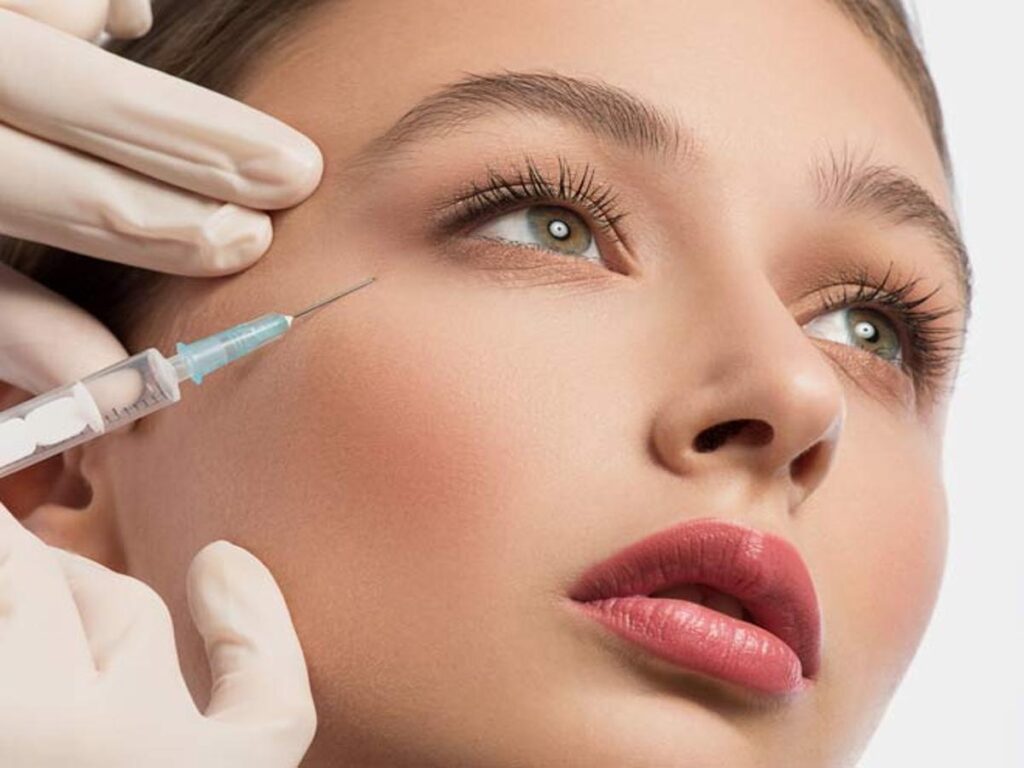
Non-surgical rhinoplasty reshapes the nose with injectable fillers instead of surgery. It smooths bumps, lifts the tip, and corrects asymmetry in 15 to 45 minutes. While no surgical incisions are involved, it requires minimal social downtime as swelling, tenderness, and localized bruising commonly occur for 3 to 7 days. Providers also call it a liquid rhinoplasty, a liquid nose job, or a 15-minute nose job.
This guide covers how the treatment works, which fillers doctors use, real complication rates from clinical studies, comparative costs, candidacy screening, and authoritative clinical references.
What Is Non-Surgical Rhinoplasty?
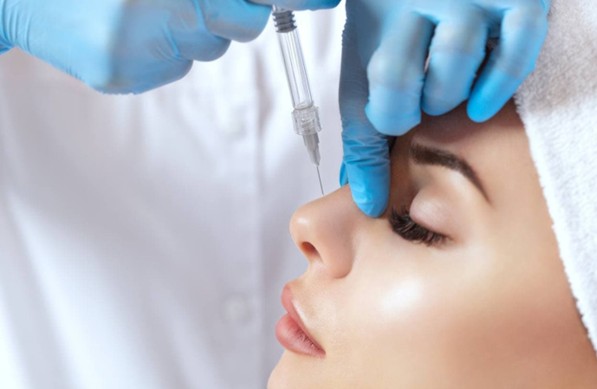
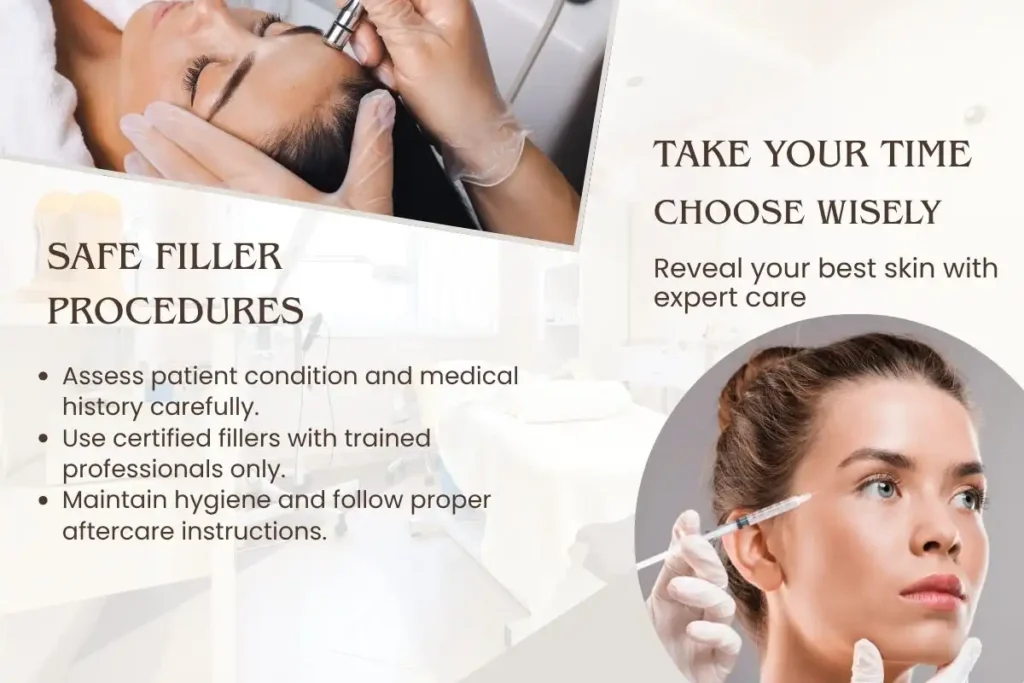
Non-surgical rhinoplasty uses hyaluronic acid or calcium hydroxyapatite filler to change the shape of the nose. A provider adds precise, small amounts of filler under the skin during a single office visit to smooth a dorsal hump, lift a drooping tip, or balance a crooked sidewall. The visual change appears immediately in the treatment chair.
Unlike surgical rhinoplasty, filler only adds volume. It cannot remove bone or cartilage. This tissue mechanic defines everything the treatment can and cannot fix.
How Does Non-Surgical Rhinoplasty Work?
A provider injects filler into specific anatomical points on the nose during an office visit. Standard clinical protocol follows this sequence:
- Consultation & Photography: Discuss aesthetic goals and capture standardized before photos.
- Skin Preparation: Clean the nasal surface thoroughly with an antiseptic surgical solution.
- Anesthesia: Apply a high-potency topical numbing cream for 15 to 30 minutes.
- Anatomical Mapping: Mark key facial landmarks, including the midline, dorsal bridge, and tip projection.
- Vascular Verification: Modern protocols increasingly utilize Doppler ultrasound guidance alongside syringe aspiration (drawing back on the plunger) to map localized blood vessels and prevent accidental intravascular injection.
- Injection: Inject filler in micro-droplet amounts along the midline, checking symmetry after each pass.
- Molding: Gently massage and shape the material into its final contour.
Many expert injectors utilize an ascending technique—setting the nasal tip first to establish structural support, then adjusting the dorsal bridge to match it. A 14-year clinical study of 2,130 patients utilizing this tip-first approach reported exceptionally high patient satisfaction and tissue stability throughout the follow-up periods.
What Can Non-Surgical Rhinoplasty Fix?
Non-surgical rhinoplasty effectively corrects six common aesthetic concerns:
- A dorsal hump: Camouflaging a bump on the bridge by filling the depressions above and below it.
- A low or deep radix: Building up the hollow area between the eyes.
- A drooping or under-rotated tip: Adding structural projection to elevate the tip angle.
- Mild asymmetry: Balancing a crooked sidewall or uneven profile.
- Post-surgical contour irregularities: Smoothing minor divots left after previous surgical rhinoplasty.
- Minor alar or nostril irregularities: Refining slight shape imbalances at the nostril base.
What Non-Surgical Rhinoplasty Cannot Do
Because filler only adds volume and never removes tissue, it cannot make a large nose physically smaller. It also cannot treat functional breathing problems tied to structural blockages like a deviated septum or collapsed nasal valves. Severe dorsal humps, extreme deviation, and significant tip drooping fall outside its capabilities and require surgical rhinoplasty.
Which Fillers Are Used in Non-Surgical Rhinoplasty?
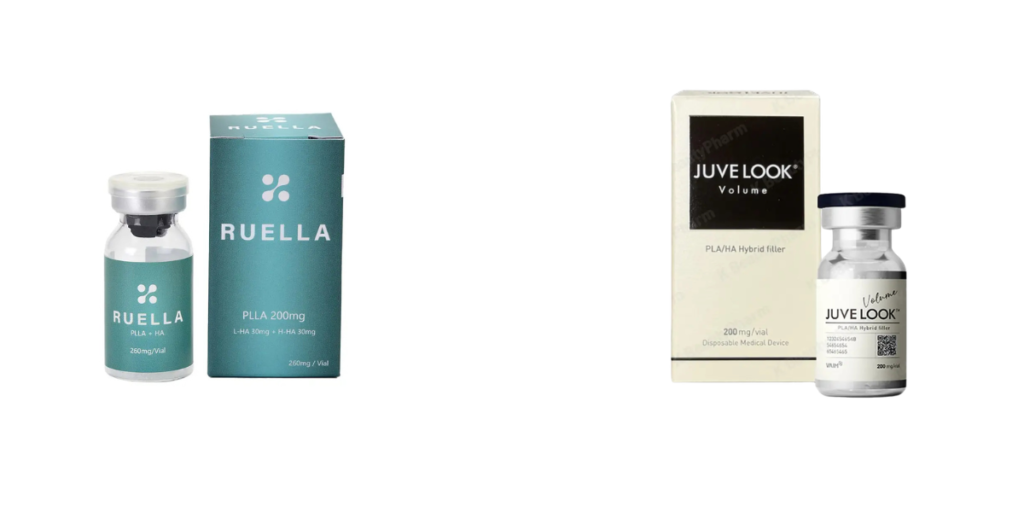
Hyaluronic Acid (HA)
Hyaluronic acid filler is the gold standard, used by roughly 80% of expert injectors. Familiar HA brands include Restylane and Juvéderm. HA breaks down naturally within 6 to 12 months. Most importantly, HA is fully reversible—if a vascular complication occurs or the aesthetic result is unsatisfactory, a provider can dissolve the material early using the enzyme hyaluronidase. One 2022 clinical study using a high-cohesive HA filler reported stable nasal contours retaining structural integrity at the 12-month mark.
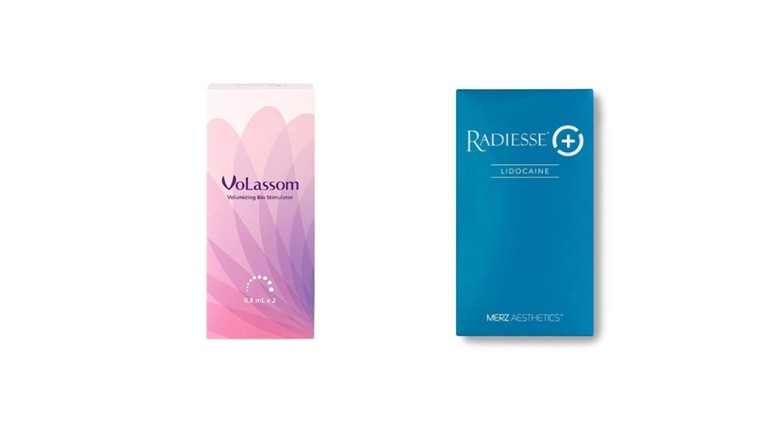
Calcium Hydroxyapatite (CaHA)
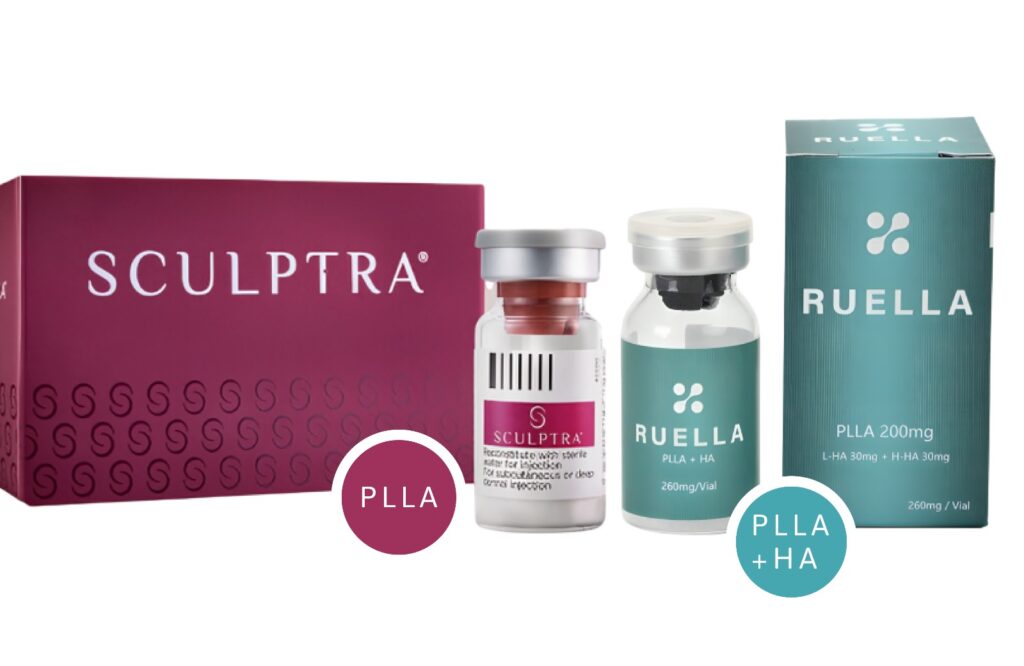
Sold under the brand name Volassom, calcium hydroxyapatite holds its shape firmly due to its high elastic modulus (G’) and can last 9 to 18 months. However, expert consensus strongly advises caution with CaHA in the nasal tip and dorsum. Because CaHA lacks an enzymatic dissolving antidote, inadvertent arterial compression or injection cannot be reversed immediately, making complications significantly more difficult to manage.
Permanent Fillers
Permanent synthetic materials like injectable liquid silicone carry the highest complication rates of any facial filler. Clinical guidelines advise strictly against their use in the nose due to severe late-onset risks, including chronic inflammation, tissue migration, and permanent granulomas.
How Long Does Non-Surgical Rhinoplasty Last?
Results from hyaluronic acid filler persist for 6 to 12 months in most patients, while calcium hydroxyapatite can stretch from 9 to 18 months. In the 14-year clinical series of 2,130 patients, 62% chose to repeat treatment after the first year. Because the body gradually metabolizes the gel, the nose slowly drifts back toward its baseline contour rather than deflating abruptly.
Is Non-Surgical Rhinoplasty Safe? What Are the Risks?
A large-scale meta-analysis of 8,604 patients established an overall complication rate of 2.52%. Minor localized bruising was the most frequent issue, affecting 1.58% of patients. Serious complications were rare but clinically significant:
- Vascular compromise: 0.35% of cases
- Vision loss: 0.09% of cases
- Skin necrosis (tissue death): 0.08% of cases
Why the Nasal Anatomy Carries Elevated Risk
The nose is widely recognized as the highest-risk injection zone on the human face. One global literature review revealed that nasal injections caused 56.3% of all filler-related blindness complications worldwide.
This occurs because the dorsal nasal, angular, and lateral nasal arteries share direct anatomical anastomoses (connecting pathways) with the ophthalmic artery system. If filler is accidentally injected into an artery under pressure, the gel can travel retrograde (backward) into the ocular circulation, blocking retinal blood supply within minutes.
Risk Mitigation Protocols
To prevent irreversible complications, experienced injectors apply strict safety standards:
- Utilizing Doppler ultrasound prior to injection to identify aberrant artery paths.
- Injecting strictly deep on the supraperosteal bone layer along the avascular midline.
- Administering micro-aliquots with minimal syringe pressure while aspirating before each pass.
When these exact precautions were strictly followed across the 14-year study of 2,130 patients, researchers reported zero cases of skin necrosis or vision loss. Selecting a board-certified dermatologist, plastic surgeon, or facial plastic surgeon with extensive anatomical training is critical.
Non-Surgical vs. Surgical Rhinoplasty
Both procedures alter nasal appearance, but their clinical pathways differ significantly across cost, longevity, and structural scope.
| Feature |
Non-Surgical Rhinoplasty (Liquid) |
Surgical Rhinoplasty |
| Mechanism |
Volume addition via dermal gel |
Structural modification of bone and cartilage |
| Duration |
6 to 18 months (temporary) |
Permanent lifelong change |
| Functional Fixes |
None (cannot improve airflow) |
Corrects septal deviation and airway obstruction |
| Recovery Time |
3 to 7 days of mild swelling/bruising |
1 to 2 weeks of splints, bruising, and visible edema |
| Reversibility |
Fully reversible via hyaluronidase (if HA) |
Complex surgical revision required |
Clinical Conversion: Many patients treat liquid rhinoplasty as a non-permanent trial run. Published data shows that 33% of liquid rhinoplasty patients eventually choose to undergo permanent surgical rhinoplasty later on.
How Much Does Non-Surgical Rhinoplasty Cost?
A single non-surgical session typically ranges from $500 to $2,500. The exact price depends on three variables: the filler formula selected, the number of syringes required, and the geographic location and clinical credentials of the injector. Because the body gradually absorbs the gel, patients who choose to maintain their results typically spend $500 to $2,500 annually on upkeep.
While these figures reflect retail clinic pricing, the consumer market is directly shaped by wholesale supply streams. For an objective look at wholesale market valuations and current trends dictating the global pricing of dermal injectables, industry specialists frequently monitor benchmark indicators on
KBeautyPharm.
Candidate Screening & Psychological Assessment
Physical Candidacy
Good candidates present with mild to moderate nasal contour concerns, realistic aesthetic expectations, and healthy underlying tissue. Conversely, providers generally defer or contraindicate treatment in patients with:
- Active nasal skin infections or severe acne
- Autoimmune conditions or unstable connective tissue disorders
- Bleeding disorders or active anticoagulant usage (requires physician clearance)
- Known allergies to bacterial-derived hyaluronic acid or lidocaine
- Pregnancy or active breastfeeding
Psychological Candidacy
Screening for psychological readiness is a mandatory clinical step. Peer-reviewed research indicates that up to 43% of patients seeking cosmetic rhinoplasty consultations exhibit symptoms of Body Dysmorphic Disorder (BDD). Responsible providers actively screen for obsessive fixation on minor flaws and refer BDD-positive patients to mental health specialists rather than performing cosmetic procedures.
Recovery and Aftercare Protocols
While there is no surgical downtime, strict adherence to aftercare ensures smooth gel integration and minimizes localized swelling:
- Protect the Shape: Avoid touching, massaging, or resting heavy glasses/sunglasses on the nose for 1 to 2 weeks. Because high-cohesive HA fillers remain malleable as they integrate into the dermal matrix, heavy bridge frames can indent or displace the filler bolus.
- Limit Vascular Pressure: Skip strenuous physical exercise, hot yoga, saunas, and steam rooms for 24 to 48 hours to minimize throbbing and swelling.
- Elevate During Sleep: Sleep with your head slightly elevated on two pillows for the first 48 hours to encourage lymphatic drainage and resolve edema faster.
- Avoid Blood Thinners: Refrain from non-essential NSAIDs (ibuprofen, aspirin) or alcohol for 24 hours post-treatment to reduce bruising.
- Attend Clinical Follow-Up: Return for an in-office review at 14 days, once initial swelling has resolved, to assess symmetry and perform any micro-adjustments.
Frequently Asked Questions
Is non-surgical rhinoplasty worth it?
For candidates with minor bumps, asymmetry, or a drooping tip, clinical studies demonstrate 84% to 93% patient satisfaction rates, making it a highly effective non-invasive solution.
Can non-surgical rhinoplasty be permanent?
Standard non-surgical rhinoplasty using FDA-approved dermal fillers is not permanent. Hyaluronic acid naturally metabolizes over 6 to 12 months, requiring maintenance treatments.
Does your nose go back to normal after non-surgical rhinoplasty?
Yes. As your body breaks down the filler over time, the nasal profile gradually returns to its original pre-treatment baseline. If hyaluronic acid is used, it can also be dissolved rapidly with hyaluronidase.
What percentage of non-surgical rhinoplasty procedures cause complications?
Across 8,604 studied cases, the overall complication rate was 2.52%, mostly comprising transient swelling or bruising. Serious arterial compromise leading to visual disturbances occurred in only 0.09% of cases.
What are the main disadvantages of non-surgical rhinoplasty?
It cannot reduce the physical size of the nose, cannot correct underlying septal deviation or breathing obstruction, requires lifelong repeat procedures to maintain, and carries rare but severe vascular risks requiring expert anatomical technique.
Authoritative Resources & Clinical References
- 14-Year Retrospective Study (2,130 Patients & Ascending Technique):
- Kassir, R., & Venkataram, A. (2020). Non-Surgical Rhinoplasty: The Ascending Technique and a 14-Year Retrospective Study of 2130 Cases. Aesthetic Plastic Surgery, 45(2), 582–590.
- Systematic Review & Complication Rates (8,604 Patients):
- Ayoub, N. F., et al. (2021). Complications Secondary to Nonsurgical Rhinoplasty: A Systematic Review and Meta-analysis. Otolaryngology–Head and Neck Surgery, 165(2), 263–270.
- Global Review of Filler Blindness Cases (56.3% Nasal Origin):
- Beleznay, K., Carruthers, J. D., Humphrey, S., & Jones, D. (2019). Update on Avoiding and Treating Blindness From Fillers: A Recent Review of the World Literature. Aesthetic Surgery Journal, 39(6), 662–674.
- Ultrasound-Guided Injection Protocols:
- Schelke, L. W., et al. (2020). Use of Ultrasound to Provide Overall Safety in Facial Filler Treatments. Journal of Cosmetic Dermatology, 19(6), 1307–1312.
- Body Dysmorphic Disorder in Aesthetic Rhinoplasty Seekers (43% Prevalence):
- Picavet, V. A., et al. (2011). High Prevalence of Body Dysmorphic Disorder Symptoms in Patients Seeking Rhinoplasty. Plastic and Reconstructive Surgery, 128(2), 509–517.